Introduction
Color is the single most powerful tool in the entire interior design toolkit. Before a single piece of furniture is chosen, before a rug is laid or a plant is positioned, color sets the emotional tone of a space, shapes how large or small it feels, determines whether it reads as calm or energizing, formal or relaxed, timeless or trend-forward. Getting your color palette right is the foundational decision from which every other design choice flows, and in 2026, the palettes shaping the most beautiful, most admired, and most Instagram-worthy homes in the world are more diverse, more sophisticated, and more exciting than they have been in years.
What makes this year’s color story particularly compelling is the breadth of directions it encompasses. There is no single dominant palette commanding every design conversation, no one shade declared the color of the year and applied universally regardless of context or personality. Instead, 2026 offers a genuinely rich and varied palette of landscapes, from the quiet serenity of warm neutrals and earthy naturals to the bold confidence of deep jewel tones and the graphic drama of high-contrast monochromes. Whatever your personal aesthetic, whatever the architecture of your home, whatever the lifestyle you want your space to support, there is a color palette in 2026 that will help you achieve it with beauty, intelligence, and genuine style. Here are the seven that matter most.
Palette One: Warm Terracotta and Earthy Neutrals
Of all the color directions available in 2026, none feels more deeply rooted in the zeitgeist of the moment than the warm terracotta and earthy neutrals palette. Inspired by desert landscapes, ancient ceramics, sun-baked Mediterranean architecture, and the global turn toward natural materials and organic living, this palette combines the burnt orange warmth of terracotta with sandy beiges, warm taupes, dusty creams, and occasional accents of sage green or raw sienna to create interiors that feel simultaneously ancient and completely current.
The appeal of terracotta in a modern interior lies in its extraordinary versatility and its ability to bring warmth to almost any space without overwhelming it. As a wall color, terracotta creates an enveloping, sun-drenched atmosphere that transforms a living room, dining space, or bedroom into somewhere that feels genuinely warm and alive from the moment you enter. At full saturation, it is dramatic and confident, making a bold statement that pairs beautifully with natural wood furniture and cream linen textiles. At a reduced saturation — a dusty, muted terracotta rather than a pure, vivid one — it becomes a sophisticated neutral that works as a base color with an extraordinary range of complementary shades.
The earthy neutrals that accompany terracotta in this palette do the essential work of balance and breathing room. Warm sandy beige on adjoining walls or upholstery prevents a terracotta-heavy space from feeling claustrophobic, while raw linen and undyed cotton textiles add natural texture that complements the clay-like quality of the palette’s dominant tone. Sage green appears throughout the most beautiful terracotta-based interiors as the perfect complementary accent — the cool, muted green of dried herbs or lichen-covered stone providing a refreshing counterpoint to the warmth of the dominant palette. A terracotta accent wall, cream linen sofa, natural wood shelving, and sage green ceramics are a combination that creates one of the most beautiful and harmonious rooms imaginable in 2026. Internal link suggestion: “Explore our Scandinavian living room guide to see how earthy neutrals work within a simpler, more restrained Nordic aesthetic.”
For those hesitant to commit terracotta to their walls, introducing it through textiles, ceramics, and accessories is an entirely valid and highly effective approach. A terracotta linen throw, a collection of terracotta-glazed ceramic vases, burnt orange cushions on a neutral sofa, a terracotta-toned abstract artwork — each of these smaller interventions contributes meaningfully to the palette story without requiring the commitment of a painted wall.
Palette Two: Warm White and Natural Wood Tones
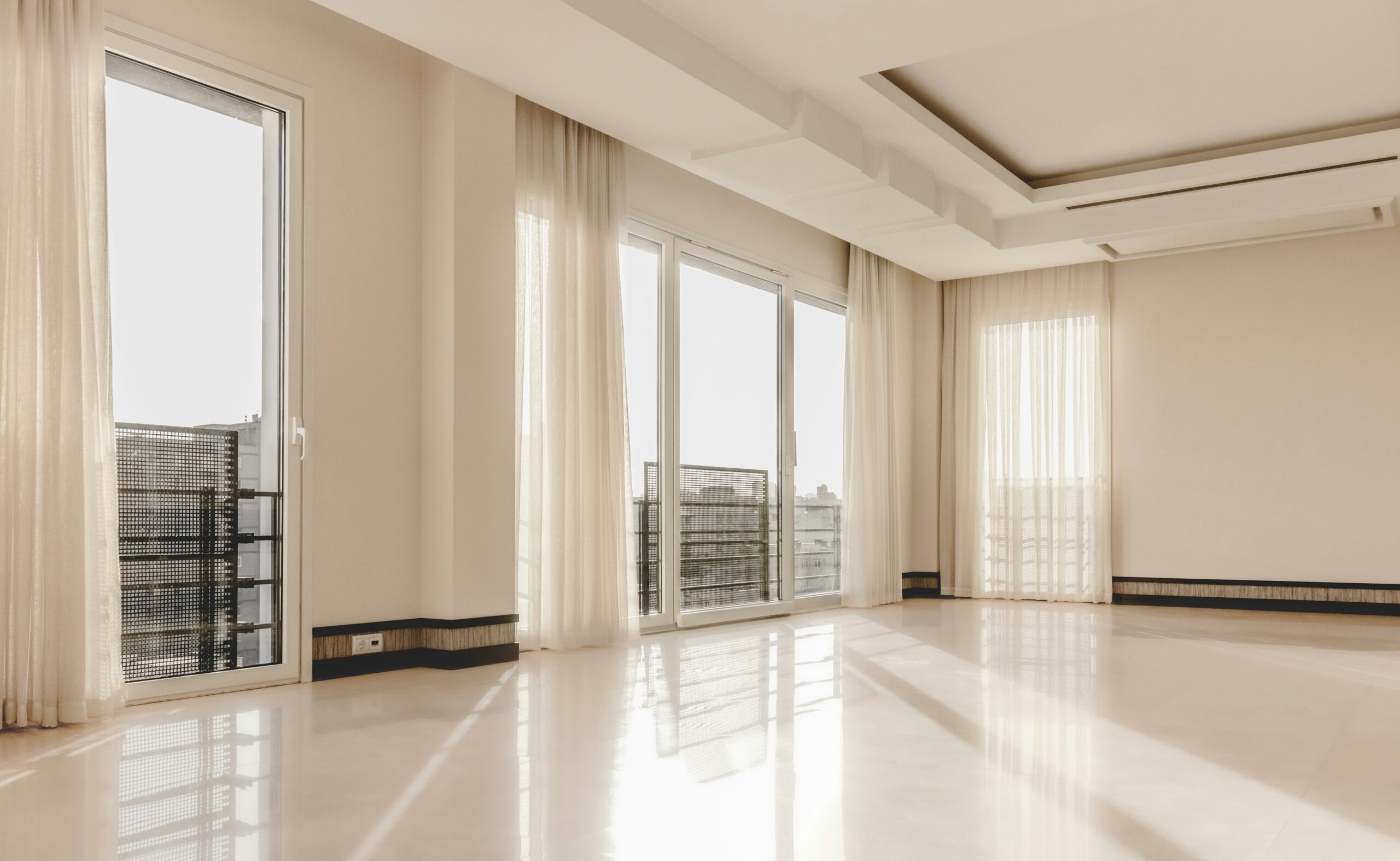
The warm white and natural wood palette is the closest thing to a universally applicable design solution that the interior design world has ever produced, and in 2026, its continued relevance and beauty testify to the enduring power of simplicity done exceptionally well. Built on a foundation of warm off-white walls — creamy, slightly yellow-toned whites that read as luminous and soft rather than clinical and stark — combined with the honey and amber tones of natural timber, this palette creates spaces of exceptional calm, light, and organic warmth that work beautifully in virtually every architectural context and lifestyle situation.
The distinction between warm white and pure brilliant white cannot be overstated. Pure brilliant white, with its cool blue undertone, creates a sharp, crisp atmosphere that can feel wonderful in very specific contemporary architectural contexts but tends toward the clinical and impersonal in most residential settings. Warm white — shades with names like linen, cream, alabaster, and antique white — bring the same fundamental lightness and luminosity but with an undertone of warmth that makes surfaces feel inviting rather than austere, soft rather than hard, human rather than institutional. This is the white of sunlit plaster, of fresh linen dried in summer air, of candlelight reflected on a pale wall, and it is one of the most beautiful and most useful colors available to any interior designer.
Natural wood in its lighter iterations — birch, ash, light oak, pine — is the perfect partner for warm white, bringing organic texture, warmth, and the gentle variation of natural grain to spaces that might otherwise feel uniformly flat. The combination of warm white walls with light timber floors, natural wood furniture, and wooden shelving creates an interior environment of remarkable serenity and beauty that photographs with extraordinary warmth, and that feels, in person, like the visual equivalent of a deep, relieved breath. This is the palette of Scandinavian design at its most pure, of Japandi at its most refined, and of contemporary minimalism at its most welcoming and its most human. Internal link suggestion: “See our full guide on minimalist home ideas for inspiration on building a complete interior design scheme around warm white and natural wood.”
Palette Three: Deep Forest Green and Warm Brass
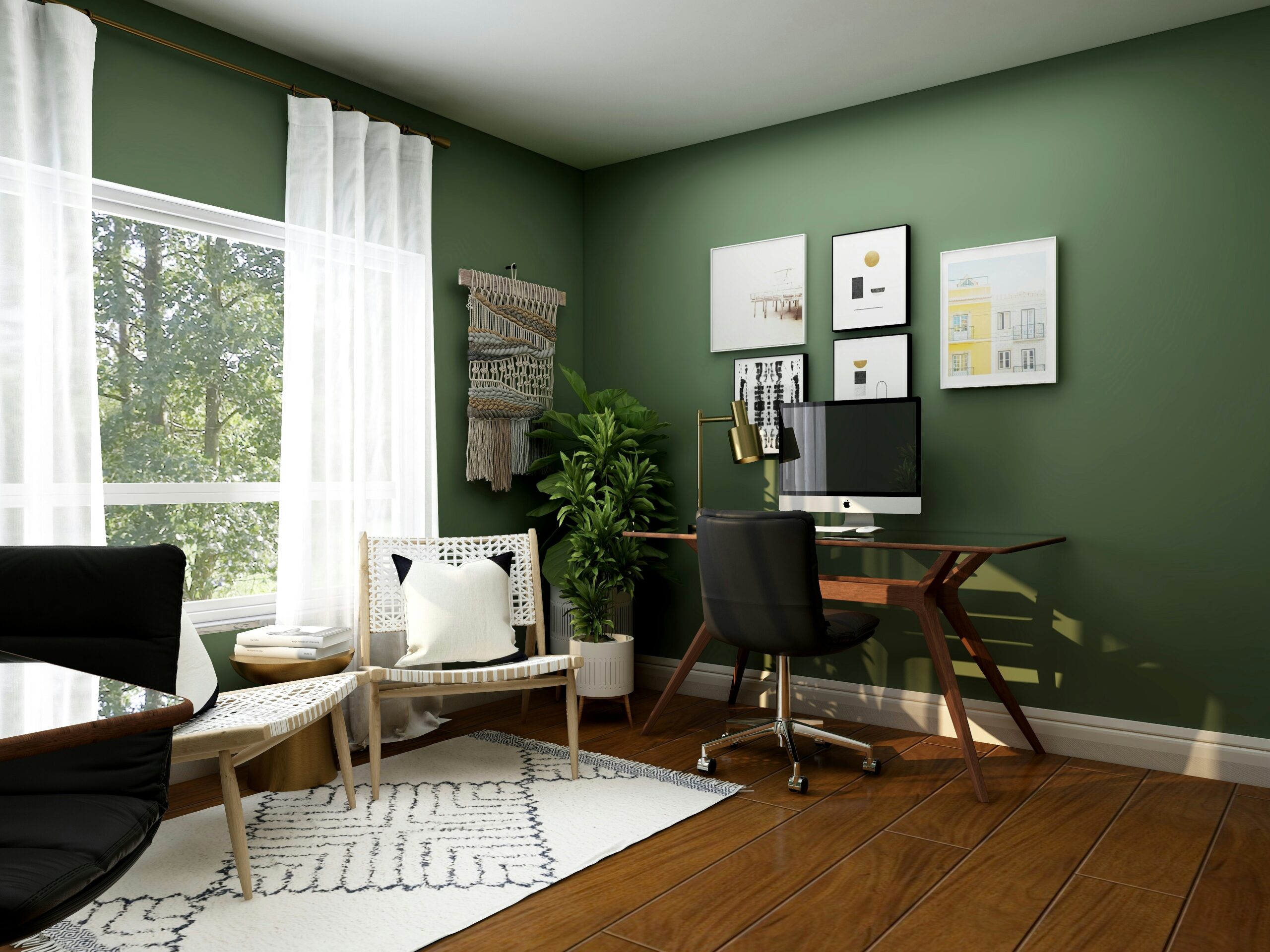
Few color combinations in contemporary interior design generate the immediate, visceral response of pleasure and admiration that deep forest green paired with warm brass delivers. This is a palette of genuine drama, of quiet luxury, of a richness and depth that announces from across a room that the person who made these choices has both excellent taste and the confidence to act on it. In 2026, the deep green and warm brass combination has matured from a trending moment into an established classic of modern aesthetic home design, appearing in the most admired interiors across every design platform and publication.
Deep forest green works brilliantly as a wall color in rooms where drama and envelopment are the goal. A home office, a dining room, a bedroom, or a powder room painted in a deep, matte forest green becomes a completely different kind of space — intimate, focused, richly atmospheric, and possessed of a quality of cocooning warmth that lighter colors simply cannot achieve. The darkness of the color works by drawing the walls inward, creating a room that feels intentional in its dimensions, like a space that has been designed to hold you rather than merely contain you. Against this dark, enveloping green, every light-toned element — cream upholstery, natural wood, brass hardware, glass — glows with an intensity and beauty that the same elements would never achieve against a paler backdrop.
Warm brass is the ideal metallic partner for deep green, its golden, slightly aged tone creating a sense of vintage luxury that cooler metallics like silver and chrome could never deliver in this context. Brass light fixtures, cabinet hardware, picture frames, mirror surrounds, and decorative accessories each pick up and reflect the warmth of the surrounding green in a way that adds light and sparkle to what might otherwise be a very absorbing palette. The combination of matte deep green walls with polished brass fixtures and natural wood accents creates a room that feels like the interior of the most beautiful private library imaginable — a space of concentrated beauty and serious aesthetic conviction. Internal link suggestion: “Read our 2026 lighting trends guide to find the perfect brass pendant lights and sconces to complete a deep green interior.”
Palette Four: Soft Sage and Dusty Rose
At the opposite end of the drama spectrum from deep forest green sits the exquisitely gentle, femininely beautiful palette of soft sage and dusty rose — a combination of muted, desaturated colors that creates interiors of extraordinary softness, romance, and subtle sophistication. This is the palette of morning light through sheer curtains, of dried flowers in a pale ceramic vase, of a room that feels like a sigh of contentment — quiet, beautiful, and deeply, restfully calm.
Soft sage green occupies an interesting and unusually versatile position in the color spectrum, sitting between the green family and the grey family in a way that makes it feel simultaneously natural and neutral. It has the organic quality of something growing — a lichen, a dried herb, the underside of a leaf — combined with the restraint and sophistication of a carefully considered grey. As a wall color, soft sage creates an atmosphere of gentle natural warmth without the saturation of a bolder green, making it a particularly beautiful choice for bedrooms, bathrooms, and smaller living spaces where the goal is serenity rather than drama.
Dusty rose — the muted, slightly grayed cousin of pure pink — brings a warmth and tenderness to this palette that prevents the sage from feeling too cool or too botanical. In the form of linen cushion covers, a velvet armchair, a watercolor artwork, or a dried flower arrangement, dusty rose adds just the right touch of warmth and softness to balance the green and create a complete, harmonious palette story. The result is one of the most quietly beautiful and emotionally resonant color combinations available in 2026 interior design — a palette that creates spaces where people instinctively feel calm, cared for, and at ease.
Palette Five: Charcoal, Cream, and Natural Oak
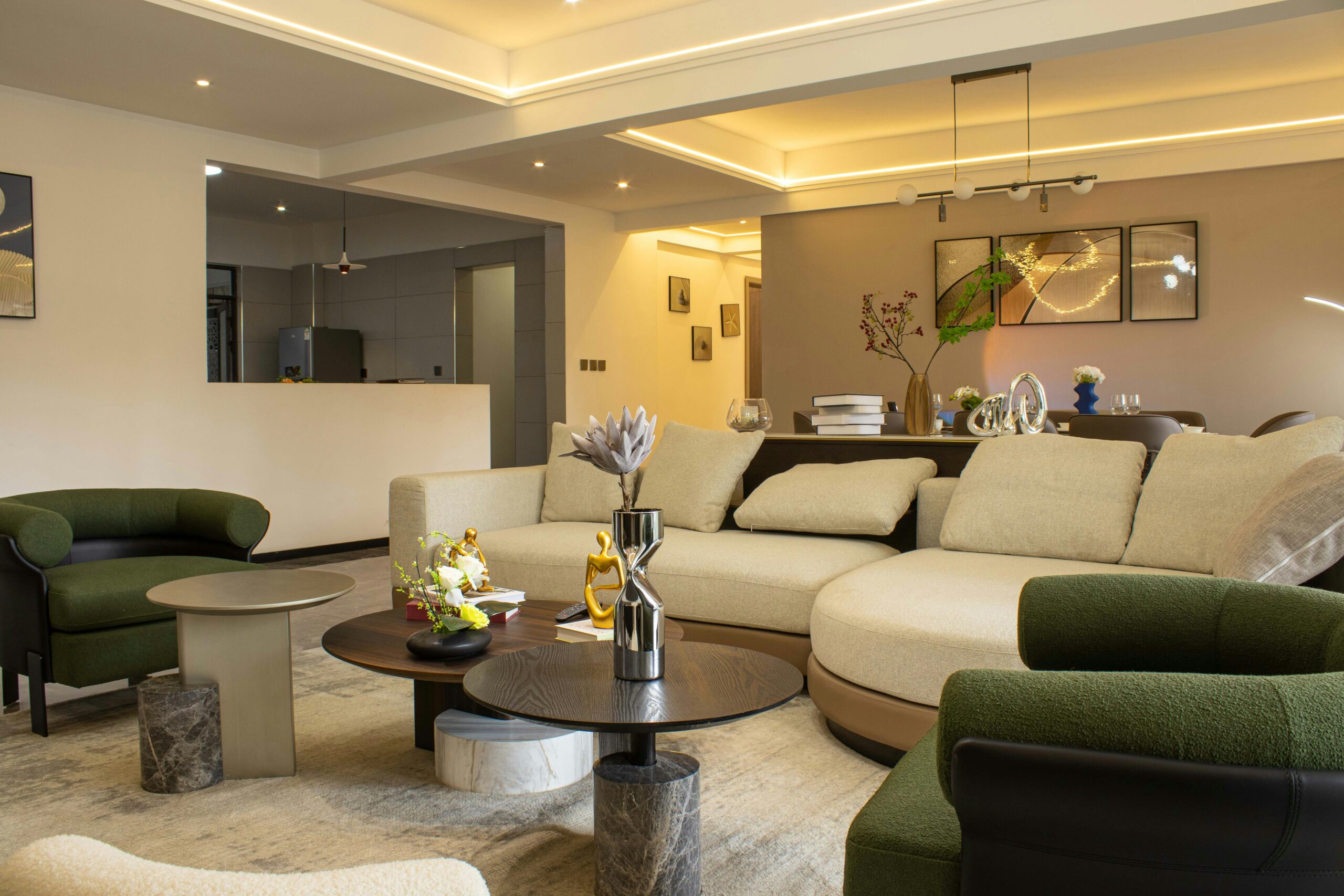
The combination of deep charcoal with creamy off-white and the warm honey tone of natural oak creates what might be described as the most sophisticated and architecturally confident of all the 2026 palette options. This is a palette of strong contrasts and equally strong convictions, one that creates rooms of graphic clarity and refined elegance that feel both powerfully current and entirely ageless. In a world that increasingly values design intelligence and material authenticity over decorative exuberance, the charcoal, cream, and natural oak palette feels like exactly the right aesthetic statement for the moment.
Charcoal — a deep, warm grey with enough depth to read almost as black in certain conditions but with significantly more warmth and nuance than pure black — is one of the most useful and most beautiful colors available in contemporary interior design. As a wall color in a living room or bedroom, charcoal creates an atmosphere of focused intensity and cocooning warmth that is entirely different in character from the clinical sharpness of pure black or the lighter, less committed feeling of mid-grey. Paired with warm cream upholstery and natural oak furniture, charcoal walls anchor a room with dramatic confidence while the lighter elements prevent the space from feeling heavy or oppressive.
The interplay of light and dark in this palette is what gives it its distinctive graphic quality and its appeal to design enthusiasts who appreciate strong, clear aesthetic statements. A charcoal feature wall behind a cream linen sofa, natural oak floorboards glowing warmly against the dark wall, a brass pendant light providing a warm pool of illumination above a coffee table in natural wood — this is an arrangement of genuinely extraordinary beauty that reads as both carefully considered and entirely effortless. The high contrast between the deep charcoal and the pale cream creates a visual drama that would be equally at home in a contemporary art gallery or a warmly personal private residence. Internal link suggestion: “Visit our furniture trends 2026 article for guidance on choosing natural oak furniture that works beautifully within this high-contrast palette.”
Palette Six: Ocean Blue and Warm Sand
The ocean blue and warm sand palette brings the restorative, horizon-expanding atmosphere of a coastal landscape into an interior setting, creating rooms that feel spacious, fresh, and quietly invigorating without relying on the cliched, overly literal marine motifs that once defined coastal decorating. In 2026, this palette has matured into something considerably more sophisticated and design-forward than traditional nautical aesthetics, using deeper, more complex versions of blue and warmer, more varied interpretations of sand to create interiors of genuine beauty and emotional intelligence.
The blues in this palette range from the pale, airy tone of a hazy summer sky to the deeper, richer shade of open ocean viewed from a cliff top, and the most beautiful interiors within this palette use more than one of these blue tones in layers and variations that create depth and visual complexity. A pale blue on the main walls with a deeper ocean blue on a single feature wall, or pale blue walls with deep blue velvet upholstery, or a completely blue-free wall palette with ocean tones introduced purely through textiles and ceramics — each approach creates a different character and atmosphere while remaining within the same fundamental palette story.
Warm sand, in its various expressions — pale honey, warm biscuit, natural linen, undyed cotton — provides the grounding, warming counterpoint to the coolness of the blue tones, preventing the palette from feeling cold or overly maritime and connecting it to the warmth of a sun-baked beach. Natural wood furniture in warm, medium tones bridges the gap between the cool blues and the warm sands, adding organic texture and material richness that elevates the overall palette from merely pleasant to genuinely beautiful and harmonious. This is a palette that creates an immediate and lasting sense of openness, calm, and the pleasurable feeling of having space to breathe.
Palette Seven: Moody Plum and Antique Gold
For the most dramatically inclined and design-confident homeowners, the moody plum and antique gold palette represents the full, unapologetic embrace of deep, saturated color used with luxurious, almost theatrical intent. This is a palette that makes no attempt at restraint or neutrality, that announces its personality loudly and beautifully from the first moment of encounter, and that creates interiors of extraordinary richness, depth, and visual opulence that feel like the most personal and expressive of all the 2026 aesthetic directions.
Deep plum — the darkest, most complex member of the purple family, with its undertones of navy, burgundy, and charcoal — is a wall color of remarkable drama and enveloping intimacy. A dining room or living room painted in deep plum becomes a genuinely theatrical space, somewhere that feels charged with atmosphere and aesthetic intention in a way that no lighter color can approach. The darkness of the color creates an immersive quality that draws you into the room and holds you there, making the space feel simultaneously expansive in its atmosphere and intimately contained in its physical dimensions. Against deep plum walls, every object and material in the room takes on a heightened visual presence, as if the darkness of the backdrop is concentrating attention on the things it surrounds.
Antique gold — the warm, slightly oxidized metallic tone that sits between brass and bronze in the metallic color family — is the natural and inevitable partner for deep plum, its warmth and luminosity providing the light and sparkle that the rich, dark wall color demands. Antique gold light fixtures, gilded mirror frames, gold-toned hardware, brass candlesticks, and metallic decorative accessories each contribute to the sense of vintage glamour and considered luxury that defines this palette at its most beautiful. The combination of deep plum and antique gold in an evening-lit dining room, with candles on the table and a statement pendant overhead, creates one of the most magnificent and memorable interior atmospheres imaginable — a space that makes every dinner feel like a genuinely special occasion.
To prevent the moody plum and antique gold palette from feeling overwhelming or excessively dark, balance is achieved through the introduction of lighter, more reflective elements — cream or ivory upholstery, a large mirror that reflects light and space into the room, pale natural wood accents that ground the darker palette tones, and generous lighting that fills the room with warmth and ensures the deep walls recede rather than advance. Internal link suggestion: “Explore our home office makeover ideas article to discover how moody, dramatic palettes can transform a workspace into a truly inspiring environment.”
Conclusion: Choose Your Palette With Confidence and Make It Your Own
The seven color palettes presented in this guide represent the full breadth of the 2026 modern aesthetic home landscape, from the gentle serenity of warm white and natural wood to the dramatic opulence of moody plum and antique gold. Each of them is capable of creating a genuinely beautiful, deeply personal, and completely distinctive home interior — the differences between them lie not in quality or validity but in character, mood, and the particular kind of beauty each one is designed to deliver.
The most important advice for anyone choosing a color palette is this: trust your genuine instinct rather than your perceived obligation to follow trends. The palette that genuinely excites you when you see it, that makes you feel something real and positive when you imagine living within it, is almost always the right choice, regardless of what is currently trending or what the design publications are celebrating this month. Start with the palette that speaks most directly to your own sense of beauty and build your room around it with confidence, investing in quality materials and thoughtful execution rather than quantity of pieces and speed of result. A single beautifully painted wall in the right color, a carefully chosen sofa in the perfect fabric tone, a set of ceramics that completes the palette story — these considered choices accumulate over time into a home of genuine, lasting beauty that feels entirely and perfectly yours.