Introduction
There is a particular kind of room that stops you the moment you walk into it — not because it is spectacular or extravagant or filled with expensive things, but because it feels immediately, profoundly right. The air is warm, the light is soft and golden, every surface and object seems to have been chosen with quiet intention, and the overall effect is one of such calm, such comfort, and such effortless beauty that you want to settle into the nearest chair and stay there for the rest of the day. That room, almost certainly, is a Scandinavian-style living room, and in 2026 the aesthetic sensibility that produced it — rooted in the Nordic concept of hygge, the Danish and Norwegian word for a quality of cozy, contented well-being — has become one of the most loved and most emulated interior design philosophies in the world.
The appeal of Scandinavian interior design is both deeply understandable and elegantly simple to explain. Born in countries where winters are long, dark, and cold, Nordic design evolved as a direct response to the need to make indoor spaces as warm, welcoming, functional, and beautiful as possible — spaces that compensate for the absence of sunlight and the harshness of the climate with an abundance of softness, warmth, natural material, and human-scaled comfort. The result is a design philosophy that prioritizes quality over quantity, warmth over spectacle, natural beauty over artificial glamour, and the quiet pleasures of everyday life over the occasional drama of showpiece decoration. Whether you live in Scandinavia or anywhere else in the world, these are principles that translate beautifully into any home, in any climate, at any budget. Here is how to bring them to life in your own living room.
The Palette of Peace: Mastering the Scandinavian Color Story
The color palette is the first and most fundamental decision in creating a Scandinavian-style living room, and understanding it correctly is essential to achieving the distinctive atmosphere that makes Nordic interiors so immediately recognizable and so deeply calming. At its heart, the Scandinavian color story is built on a foundation of light, neutral tones — the creamy whites, warm off-whites, soft greys, and pale birch tones that reflect and amplify the limited natural light of Nordic winters, filling rooms with a sense of airiness and luminosity even on the darkest days of the year.
This does not mean, however, that a true Scandinavian interior is cold, sterile, or devoid of warmth and personality. The most beautiful Nordic living rooms layer their pale base palette with carefully chosen warm accents that prevent the space from feeling clinical or characterless. Warm white rather than pure brilliant white is an essential distinction — the slight yellow or cream undertone of warm white reads as soft and welcoming against natural wood and linen textures, while pure stark white can feel harsh and unforgiving in a residential setting. This subtlety of tone is one of the details that separates a genuinely beautiful Scandinavian space from a merely pale one.
Warm accent colors in a Scandinavian living room are chosen with the same restraint and intention that governs every other aspect of the aesthetic. Dusty sage green, muted terracotta, warm mustard, soft blush pink, and deep charcoal blue are all colors that appear regularly in the most beautiful Nordic interiors, introduced through textiles, ceramics, artwork, and occasional painted surfaces rather than through dominant wall or furniture color. A single deep sage green cushion on a cream linen sofa, a terracotta ceramic vase on a light wood shelf, a charcoal blue throw draped over the arm of a pale armchair — these small doses of warm, muted color bring the palette to life without disrupting its fundamental serenity.
The ceiling is an often-overlooked opportunity in Scandinavian interior design. In Nordic countries, where maximizing natural light is a genuine necessity, ceilings are almost always painted in the same shade as the walls or in a slightly lighter tone, creating a seamless envelope of pale color that makes rooms feel taller, more open, and more luminous. The convention of painting ceilings in brilliant white — common in many other design traditions — tends to create a visual cut between wall and ceiling that slightly compresses the apparent height of a room. The Scandinavian approach of continuous color from wall to ceiling eliminates this compression and contributes meaningfully to the sense of openness and calm that is so central to the aesthetic. Internal link suggestion: “Explore our minimalist home ideas guide for more expert advice on building a calm, restrained color palette for every room.”
Natural Materials: The Soul of Scandinavian Design
If the Scandinavian color palette is the skin of a Nordic interior, natural materials are its soul. The deep and abiding love of natural materials — wood, wool, linen, leather, stone, ceramic — that runs through every expression of Nordic design is not merely an aesthetic preference but a philosophical one, rooted in a profound respect for the natural world and a belief that the most beautiful and enduring things are those made from materials that carry the evidence of their natural origins. In a Scandinavian living room, almost every surface and object should speak in the language of nature.
Light wood is the dominant natural material in Scandinavian interior design, appearing in furniture, flooring, shelving, and decorative objects with a consistency and commitment that is entirely central to the aesthetic identity of the style. Birch, pine, ash, and light oak in their natural or lightly oiled finishes bring a warmth and organic vitality to a space that painted or synthetic surfaces cannot approach. The grain of the wood, the subtle variation in tone from one board to the next, the way a timber floor reflects morning light differently from afternoon light — these are the details that make a natural wood interior feel alive and human in a way that fundamentally characterizes the Nordic design philosophy.
Wool and linen textiles carry the same natural material philosophy into the soft furnishing choices of a Scandinavian living room. Linen upholstery on sofas and armchairs, wool throws in muted, heathered tones draped over seating, chunky knit cushion covers in natural undyed wool, linen curtains that filter light softly without blocking it — each of these textile choices adds a layer of natural texture and organic warmth that is both physically comforting and visually beautiful. The slight irregularities in a handwoven linen weave, the subtle variations in a natural wool throw, the imperfect beauty of a hand-thrown ceramic bowl on a coffee table — these are the textures that give a Scandinavian interior its distinctive feeling of quality, authenticity, and quiet luxury.
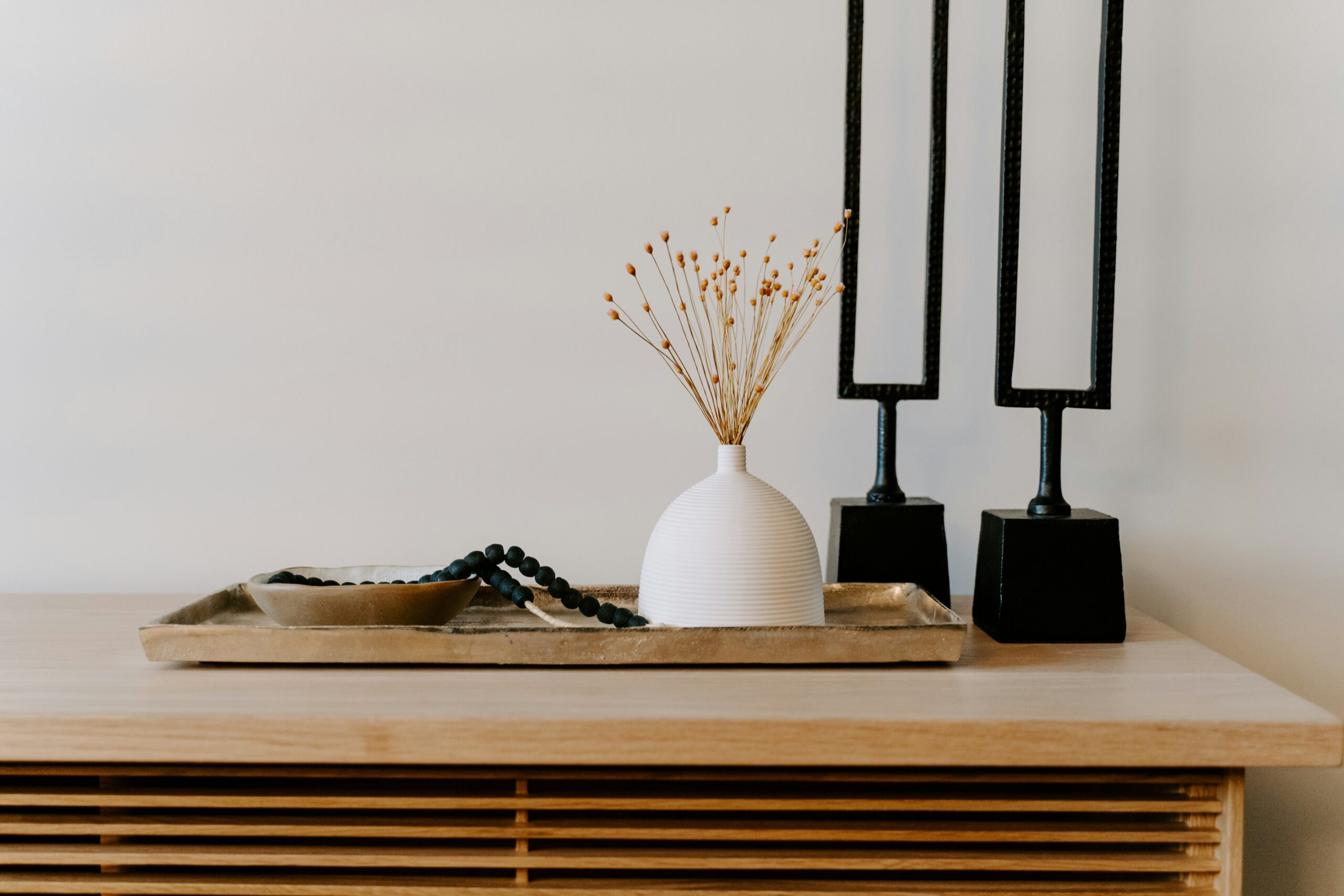
Stone and ceramic appear throughout the Scandinavian living room in smaller decorative objects and functional pieces that add their own natural material story to the overall composition. A cluster of hand-thrown ceramic vases in muted, earth-inspired glazes on a shelf, a smooth river stone used as a decorative weight on a stack of books, a rough slate coaster on a coffee table, a simple ceramic candle holder casting warm light across a timber surface in the evening — these small material moments accumulate into a richly layered material palette that gives a room a sense of deep, considered beauty that no synthetic alternative can replicate. Internal link suggestion: “Read our eco-friendly home materials guide to discover the best sustainable natural materials for a Scandinavian-inspired interior.”
Furniture: Functional Beauty and the Art of Restraint
Scandinavian furniture design has one of the most distinguished and influential histories in the entire world of interior design, and the principles that made mid-century Nordic furniture classics so beloved — clean lines, honest materials, ergonomic intelligence, and the refusal to sacrifice beauty for the sake of function or function for the sake of beauty — remain as relevant and as guiding in 2026 as they were in the golden age of Nordic design in the 1950s and 1960s. Choosing furniture for a Scandinavian living room means committing to these same principles, selecting pieces that are beautiful in their simplicity, excellent in their craft, and completely honest in their expression of the materials from which they are made.
The sofa is the natural focal point of any living room, and in a Scandinavian-style space, it should be chosen with particular care for both its physical presence and its material qualities. A generously proportioned sofa in natural linen or a textured boucle in a warm off-white, cream, or gentle grey tone provides the primary seating element with a softness and natural quality that is perfectly aligned with the Nordic aesthetic. The silhouette should be clean and relatively low-profile — no overly ornate cushioned backs or heavily curved forms — with legs in natural wood that lift the sofa slightly from the floor and contribute to the overall sense of lightness and airiness that characterizes great Scandinavian design.
Coffee tables and side tables in a Scandinavian living room are typically simple, unpretentious, and beautifully made in natural wood or occasionally in stone or glass. A simple round coffee table in light oak or birch with clean, tapered legs is one of the most classically Nordic furniture forms imaginable, bringing warmth and natural material quality to the center of the room without demanding visual attention or competing with the sofas and textiles around it. Side tables beside reading chairs or at the ends of sofas serve their function quietly and efficiently, holding a lamp, a book, a small plant, or a ceramic mug without requiring any additional decorative justification for their presence.
Shelving in a Scandinavian living room is an opportunity to display the collections of books, ceramics, plants, and personal objects that give a space its character and its individual story, but it must be curated with the same restrained intentionality that governs every other aspect of the aesthetic. In Nordic design, a shelf is not a place to display everything — it is a place to display the things that genuinely deserve to be seen, arranged with breathing space between objects, varying height, and a thoughtful balance of books, decorative items, and natural elements that creates a composition of quiet visual interest. The discipline of editing what appears on a shelf — removing anything that does not earn its place through beauty, meaning, or function — is one of the most characteristically Scandinavian design habits, and one of the most effective.
Hygge in Practice: Creating Cozy Corners and Warm Atmospheres
Hygge — that untranslatable Danish and Norwegian concept of cozy, convivial, contented well-being — is the emotional and philosophical heart of Scandinavian interior design, and understanding how to create it in a living room is the key to achieving the deeply inviting, deeply comforting quality that distinguishes a truly Nordic space from one that is merely pale and minimally furnished. Hygge is not an aesthetic in itself so much as a feeling — a quality of warmth, intimacy, and genuine comfort that permeates a space and makes everyone who enters it feel immediately at ease and happily at home.
The physical ingredients of hygge are well established and wonderfully simple. Candles are perhaps the most essential and most evocative, their warm, flickering light creating the intimate, golden atmosphere that is virtually synonymous with Nordic winter living. In a Scandinavian living room, candles should be abundant and varied — tall taper candles in simple holders on the dining table or mantelpiece, pillar candles in different heights grouped on trays, tea lights in glass holders scattered across shelves and windowsills. The cumulative effect of multiple small flame sources throughout a room in the evening creates an atmosphere of extraordinary warmth and intimacy that no artificial lighting system can fully replicate.
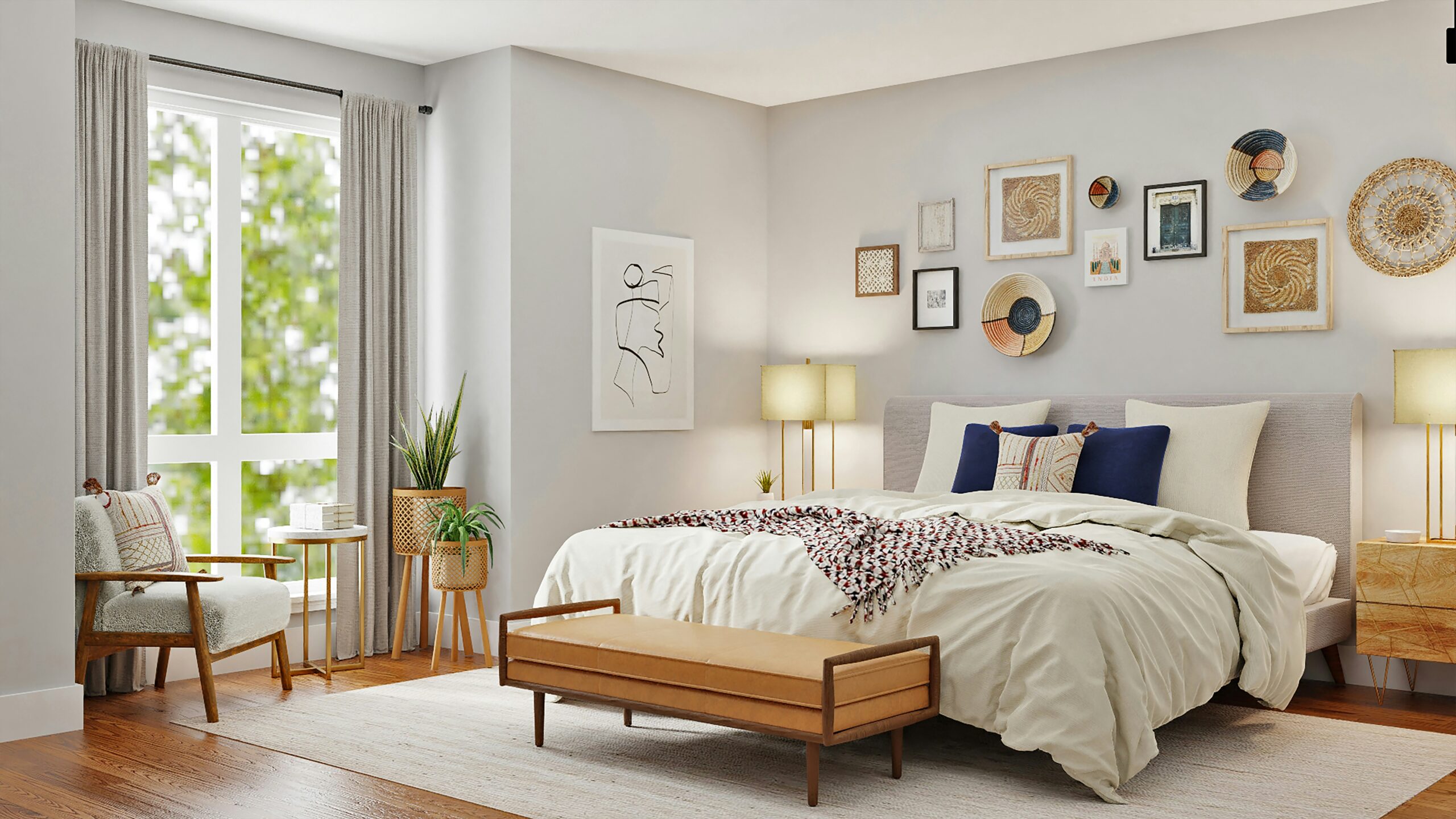
Layered textiles are the second great physical ingredient of hygge, and their role in a Scandinavian living room cannot be overstated. A sofa dressed in multiple cushions in different but harmonious natural fabrics, a soft wool throw draped within easy reach for cool evenings, a chunky knit blanket folded over the arm of a reading chair, a natural fiber rug underfoot that adds warmth to a timber or stone floor — each of these textile layers adds a dimension of physical comfort and visual softness that invites occupation and signals that the room is a place of genuine rest. The tactile pleasure of reaching for a well-chosen throw on a cold evening is one of the most fundamentally hygge experiences available, and building that experience into your living room through thoughtful textile choices is one of the most worthwhile investments in domestic well-being that you can make.
A dedicated reading nook or cozy corner is one of the most aspirational and most achievable features of a hygge-inspired Scandinavian living room. A comfortable armchair with generous proportions positioned beside a window or in a naturally sheltered corner, accompanied by a small side table at the perfect height for a cup of tea, a floor lamp that provides warm, focused reading light, and a basket of throws and books within easy reach — this simple arrangement creates one of the most irresistibly inviting domestic spaces imaginable. It requires no architectural intervention and relatively modest financial investment, yet the quality of life improvement it delivers to any home is genuinely significant and immediately felt. Internal link suggestion: “See our 2026 lighting trends guide for expert advice on creating the warm, layered lighting atmosphere that is essential to hygge.”
Plants and Nature: Bringing the Outside In
The Scandinavian relationship with nature is deep, ancient, and entirely central to the Nordic design philosophy. In a tradition that grew up in landscapes of extraordinary natural beauty — pine forests, fjords, birch groves, Arctic coastlines — bringing elements of the natural world indoors is not merely a decorating choice but a genuine psychological and cultural necessity. In a Scandinavian living room, plants, natural materials, and references to the landscape outside perform a vital function in maintaining the connection to nature that Nordic people have always considered essential to their well-being and happiness.
Plants in a Scandinavian living room tend toward the simple, the architectural, and the understated rather than the tropical and the dramatic. A simple snake plant in a plain white ceramic pot, a small potted pine or fir that references the Nordic forest, a collection of succulents in simple terracotta on a sunny windowsill, a vase of dried eucalyptus branches leaning against a pale wall — these plant choices bring the presence and energy of the natural world into a space with a quietness and restraint that is perfectly aligned with the overall aesthetic philosophy. The goal is not the lush, abundant plant jungle of boho design but a more considered, more selective kind of botanical presence that feels like a curated reference to nature rather than an attempt to recreate it indoors.
Seasonal natural elements are also an important part of the Scandinavian design tradition, and incorporating them into a living room brings an ever-changing, living quality to the space that purely decorative objects cannot provide. A bowl of pine cones gathered on an autumn walk, branches of budding birch brought indoors in early spring, a vase of simple meadow flowers in summer, a cluster of bare branches in a tall floor vase through the winter months — these seasonal botanical moments connect a home to the rhythm of the natural world outside and give a living room a quality of gentle, unhurried change that feels deeply in harmony with the Nordic sensibility.
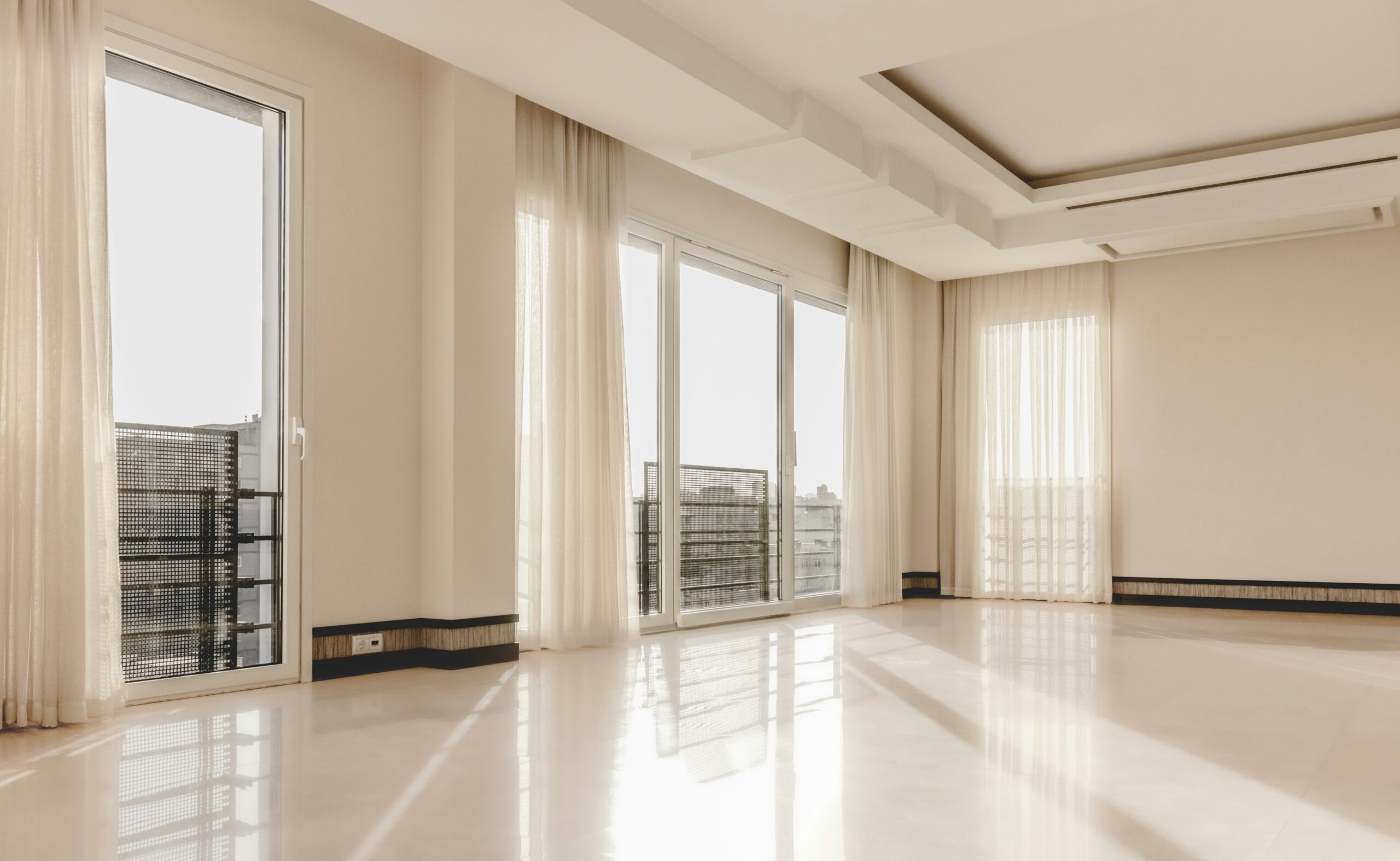
Natural light management is another dimension of the Scandinavian relationship with nature that has profound practical implications for living room design. In Nordic countries, maximizing every available photon of natural light during the long winter months is an absolute priority, and the light-handling choices made in window treatment and furniture placement reflect this. Simple, sheer linen curtains or no window treatment at all in rooms that do not require privacy, furniture arranged to avoid blocking natural light sources, pale reflective surfaces positioned to bounce daylight as far as possible into the depth of a room — all of these choices keep a Scandinavian living room filled with the natural light that is so essential to its characteristic atmosphere of calm, luminous warmth.
The Details That Make the Difference: Styling a Scandinavian Space
The final layer of a beautifully designed Scandinavian living room is the styling — the arrangement of the small objects, books, ceramics, candles, and personal items that give a space its individual character and make it feel genuinely lived in and loved rather than merely well-designed. Nordic design has a particular gift for this kind of styling, combining a strong instinct for restraint and editing with an equally strong appreciation for the beauty of well-made, thoughtfully chosen objects, and the result is a visual language of quiet richness that rewards close attention.
Books are one of the most important styling elements in a Scandinavian living room, and they are treated with genuine respect and considered care. A stack of beautifully covered books on a coffee table, arranged with a small ceramic object or a single stem in a simple vase on top, creates one of the most characteristically Nordic styling moments imaginable — functional, personal, and quietly beautiful in equal measure. Books on shelves organized by color, by height, or simply by the pleasure of seeing them together create a backdrop of warm, varied texture that is one of the defining visual qualities of a well-loved Nordic interior.
Ceramics occupy a particularly important place in Scandinavian design culture, and the tradition of beautiful, functional pottery in organic forms and muted, earthy glazes is one of the aesthetic touchstones of the Nordic interior. A small collection of hand-thrown ceramic vases in related tones grouped on a shelf or sideboard, a ceramic bowl holding a few smooth pebbles on a coffee table, a pair of simple ceramic candle holders on a mantelpiece — these small ceramic moments add material richness, artisanal quality, and a quiet beauty that contributes enormously to the overall feeling of a well-considered Scandinavian space.
Personal items — a well-loved photograph in a simple wooden frame, a small artwork acquired on travels, a handmade object that carries a particular memory or association — bring the human story of the people who live in the room into the design without cluttering or overwhelming it. In a Scandinavian living room, these personal elements are present but edited, chosen with care and displayed with breathing space around them, honoring both their individual meaning and the broader aesthetic context in which they appear. This balance between the personal and the universal, between individual story and shared beauty, is perhaps the most sophisticated and most deeply human achievement of great Nordic interior design. Internal link suggestion: “Explore our indoor plants guide for more ideas on the perfect botanical additions to complete your Scandinavian living room.”
Conclusion: Build Your Nordic Sanctuary One Mindful Choice at a Time
Creating a cozy Scandinavian-style living room is ultimately an act of conscious choice — a decision to prioritize warmth over spectacle, quality over quantity, natural beauty over artificial glamour, and the quiet pleasures of daily life over the occasional drama of showpiece design. It is a design philosophy that asks you to think carefully about what you bring into your home and why, to choose materials that are honest and beautiful, to create light that is warm and layered and deeply human, and to build spaces that support rest, reflection, conversation, and the kind of contented well-being that the Scandinavians have always understood better than almost anyone else.
Begin with your palette — warm, quiet, luminous. Add natural materials wherever you can, starting with a light wood piece or a linen throw that immediately shifts the feeling of the room. Address your lighting, adding warmth and layers until the room glows rather than merely illuminates. Create your cozy corner, your hygge moment, your invitation to sit and stay. Edit your shelves and surfaces until every object earns its place and the space between objects feels as considered as the objects themselves. And above all, let your Scandinavian living room grow slowly, patiently, and with genuine attention to the quality and meaning of every single thing it contains. That patience, that intentionality, that quiet commitment to beauty in the everyday — that is the true heart of Nordic design, and it will reward you every single time you walk through the door.