Introduction
There is a style of living that feels like a permanent vacation from the ordinary — warm, layered, wildly creative, and completely unapologetic about its love of color, texture, and pattern. That style is boho chic, and in 2026, it is not just surviving the relentless churn of interior design trends — it is thriving, evolving, and looking more beautiful than ever. Bohemian decor has always been the natural home of the free spirit, the world traveler, the creative soul who collects experiences and objects with equal enthusiasm and displays them both with pride. But today’s boho chic aesthetic has grown up a little, gaining a new sophistication and intentionality that makes it feel as relevant in a beautifully designed contemporary home as it does in a vintage-filled apartment or an artist’s studio.
What makes boho chic so enduringly appealing is the freedom it offers. Unlike more rigid design aesthetics that demand strict adherence to a particular palette, era, or material language, bohemian decor embraces contradiction, contrast, and the unexpected. A handwoven Moroccan rug beneath a rattan pendant light, a gallery wall mixing travel photography with textile art and vintage mirrors, a sofa buried in embroidered cushions in a dozen different patterns — in a boho chic interior, all of these elements not only coexist but actively make each other better. If you have been looking for a sign to refresh your home with warmth, personality, and genuine visual excitement, this is it. Here are the boho chic decor ideas that will transform your space in 2026.
The Foundation of Boho Chic: Warmth, Layers, and Texture
Every great boho chic interior begins with the same three foundational principles: warmth, layers, and texture. These are the qualities that give a bohemian space its distinctive, enveloping quality — the feeling of walking into a room and immediately wanting to sink into the nearest cushion-filled corner and stay there indefinitely. Getting these foundations right is the most important step in any boho chic home refresh, and the great news is that building them up requires nothing more than a keen eye for beautiful materials and a willingness to layer generously.
Warmth in a boho chic interior comes primarily from color and material choices. The most beloved bohemian palettes are built on a foundation of earthy, sun-kissed tones — terracotta, rust, burnt orange, warm ochre, dusty rose, deep plum, and rich jewel tones like teal, emerald, and sapphire. These are colors drawn from the natural world, from global textile traditions, from desert landscapes and tropical gardens, and they bring an immediate sense of heat, life, and vibrancy to any space. In 2026, the boho chic color story has expanded to include even warmer, more saturated versions of these tones, layered together with increasing confidence and artistry.
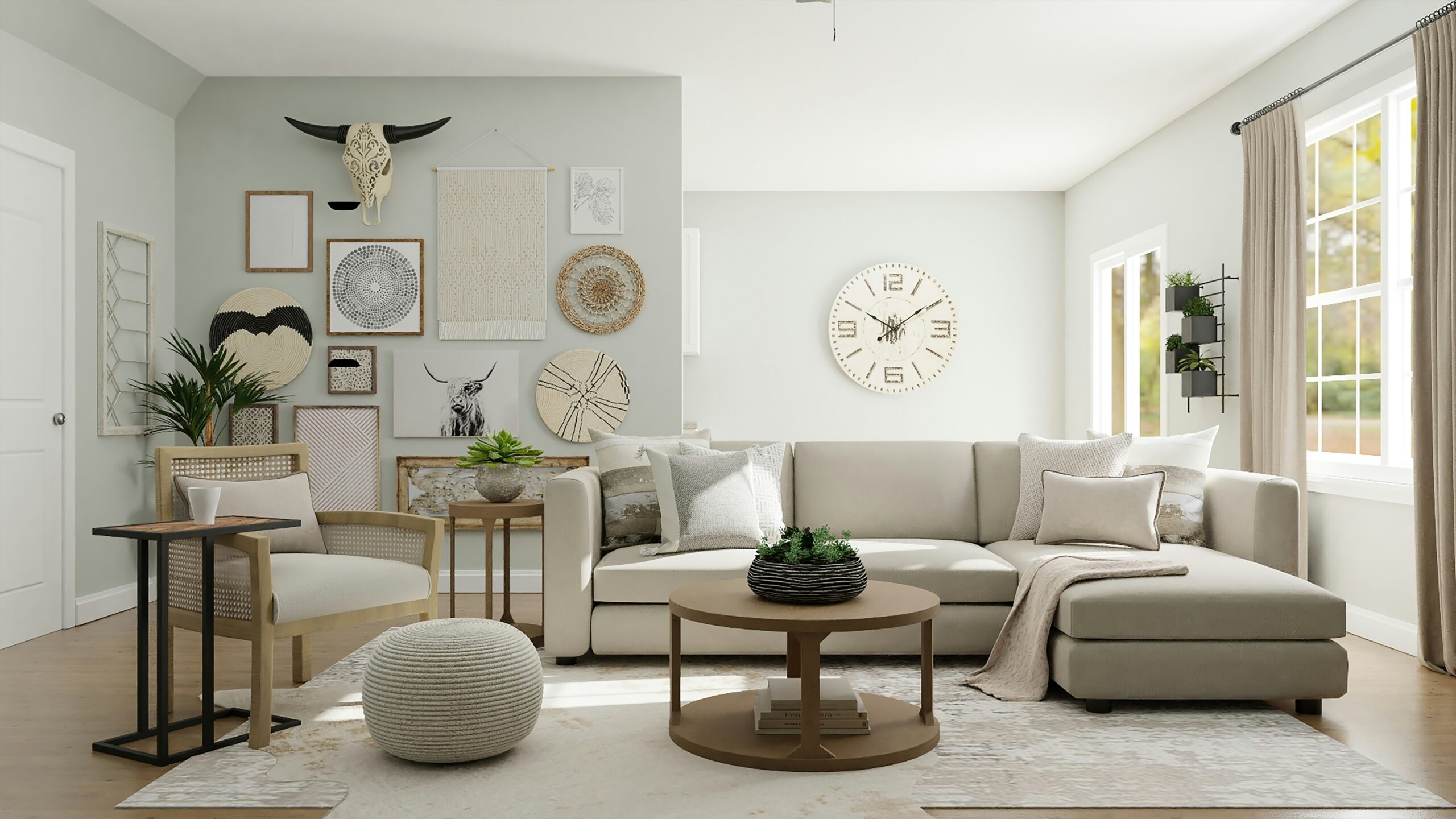
Layering is the technique that separates a truly beautiful boho interior from one that merely has a few bohemian-inspired pieces scattered around. In a well-layered boho space, textiles are stacked and overlapped — a kilim rug sits on top of a larger jute base rug, a linen throw is draped over the arm of a rattan sofa already piled with cushions in mismatched but harmonious fabrics, and curtains pool gently on the floor beneath a collection of hanging plants at different heights. This layering creates depth, dimension, and that irresistibly cozy, come-in-and-stay quality that is the hallmark of great bohemian design.
Texture is the invisible ingredient that makes all of this layering feel rich rather than chaotic. When different materials — rough jute, smooth velvet, nubby boucle, silky embroidered silk, scratchy woven cotton, soft leather — are placed in proximity, they create a tactile landscape that is endlessly interesting to both the eye and the hand. Running your fingers along the surface of a well-furnished boho interior should feel like an adventure, each material offering a completely different sensation and story. Internal link suggestion: “Explore our guide on sustainable home materials to find eco-friendly textures that work beautifully in a boho aesthetic.”
Rugs: The Anchor of Every Boho Chic Room
If there is a single piece of decor that has the power to transform an ordinary room into an instantly recognizable boho chic space, it is the rug. In bohemian interior design, rugs are not merely functional floor coverings — they are works of art, pieces of cultural history, and the single most important tool for introducing pattern, color, and warmth into a space. In 2026, the most exciting boho interiors treat rug selection as seriously as any other major design decision, investing in pieces with genuine craftsmanship, character, and visual impact.
Moroccan-style rugs, with their bold geometric patterns and plush, high-pile texture, remain among the most beloved choices in boho chic interiors. A large Beni Ourain-style rug in cream and charcoal anchors a living room with graphic intensity and extraordinary tactile softness, creating an Instagram-worthy focal point that everything else in the room can be built around. These rugs work beautifully in both warmer, more maximalist bohemian spaces and in slightly more restrained, neutral-toned interiors where they provide the primary injection of pattern and visual energy.
Kilim and dhurrie rugs, with their flat weave, vibrant colors, and intricate tribal patterns, bring a different but equally compelling energy to a boho space. The visual complexity of a well-chosen kilim — the interlocking geometric motifs, the rich combination of terracotta, teal, mustard, and ivory — creates a layer of cultural depth and artisanal beauty that no mass-produced alternative can replicate. Layering a smaller kilim over a larger natural fiber rug, such as jute or seagrass, is one of those simple styling tricks that immediately elevates a room from pleasant to genuinely beautiful.
For those building a boho chic aesthetic on a more modest budget, vintage and secondhand rugs are an extraordinary resource. Worn, faded, and slightly imperfect rugs carry a beauty and authenticity that brand-new pieces simply cannot manufacture, and they can often be found at a fraction of the cost of their new counterparts at thrift stores, estate sales, and online marketplaces. A slightly faded vintage Turkish rug with muted tones and gentle wear marks brings exactly the kind of relaxed, collected-over-time quality that is at the very heart of bohemian style. Internal link suggestion: “Browse our DIY decor projects guide for tips on refreshing and styling vintage rugs in your home.”
Plants and Greenery: The Soul of a Bohemian Space
Ask any interior designer what single addition makes the biggest difference in a boho chic interior, and the answer is almost universally the same: plants. Living, breathing, growing things are absolutely fundamental to the bohemian aesthetic, bringing life, color, air, and an irreplaceable organic energy to indoor spaces that no amount of beautiful furniture or carefully chosen accessories can replicate. In 2026, the plant-filled boho interior has evolved into something genuinely extraordinary, with homeowners treating their plant collections as seriously as any other element of their decor.
The most impactful approach to plants in a boho chic space is abundance. A single plant in a corner is pleasant. A room filled with plants of different varieties, sizes, and heights, displayed in a mix of ceramic, terracotta, rattan, and woven baskets, is transformative. Think towering fiddle leaf figs reaching toward high ceilings, trailing pothos and ivy cascading from shelves and hanging planters, clusters of cacti and succulents on windowsills, and lush monstera leaves unfurling dramatically beside a sun-drenched reading corner. Each plant adds a layer of visual texture and living color that makes the room feel genuinely alive.
Hanging plants are a particular signature of the boho chic aesthetic, and in 2026, they remain one of the most striking and effective ways to add vertical interest and lush, jungle-like atmosphere to a room. Macrame plant hangers — themselves a quintessential boho craft element — suspend trailing plants at different heights, creating a layered, botanical canopy effect that is both visually dramatic and endlessly cozy. A cluster of hanging plants above a reading nook, a hammock chair, or a low-slung sofa creates one of those impossibly beautiful, magazine-worthy cozy corners that look as if they exist in a perpetual golden hour.
Dried botanicals and pampas grass deserve special mention as boho decor elements that have transcended trend status to become genuine classics of the aesthetic. Large arrangements of dried pampas grass in oversized ceramic or terracotta vases bring a soft, feathery texture and a warm, sun-bleached color palette that works beautifully in virtually every boho-inspired space. Dried palm leaves, bunches of dried lavender or eucalyptus, and pressed botanical prints all extend the plant theme into more permanent decorative elements that require zero maintenance while delivering maximum visual impact. Internal link suggestion: “See our minimalist home ideas section for inspiration on pairing plants with simpler, cleaner design aesthetics.”
Textiles, Macrame, and the Art of Handmade Decor
Textiles are the language of boho chic interior design, and learning to speak that language fluently is the key to creating spaces that feel genuinely rich, personal, and alive. In a well-designed bohemian interior, textiles appear on virtually every surface and in every corner — draped, hung, layered, and displayed with a seemingly effortless abundance that actually requires considerable thought and skill to achieve well. In 2026, the textile story in boho chic design is richer and more diverse than ever, drawing from craft traditions across the globe to create interiors that feel like beautiful, wearable journeys.
Cushions are the primary textile vehicle in any boho living room, and the more the merrier is very much the operating principle here. The secret to a cushion arrangement that looks intentionally abundant rather than just messy lies in mixing patterns and textures while maintaining some degree of color cohesion. Geometric embroidered cushions alongside block-printed cotton, velvet in a deep jewel tone next to a rough-textured woven piece, a tasseled Moroccan bolster beside a simple linen square — when these different cushions share a common color thread, perhaps the warm terra-cotta and gold tones of a desert palette or the cool teal and indigo tones of a coastal inspired bohemian scheme, they coexist with beautiful harmony.
Macrame has experienced a significant renaissance in recent years and, in 2026, remains one of the most beloved and versatile elements of boho chic decor. A large wall-hung macrame piece above a bed or sofa creates a dramatic, artisanal focal point that adds both texture and visual height to a room. Smaller macrame pieces work beautifully as plant hangers, table runners, curtain tie-backs, and even as framed wall art. For the DIY enthusiast, macrame is also one of the most accessible craft skills to learn from scratch, and handmade pieces carry an additional layer of personal meaning that purchased items simply cannot provide.
Wall hangings and textile art extend the macrame tradition into a broader category that encompasses woven tapestries, vintage kilim fragments displayed as art, hand-block-printed fabric panels, and embroidered textile pieces sourced from global craft traditions. These pieces function as both decorative and narrative elements in a boho interior, each one representing a story, a place, a tradition, or a skill that enriches the room with meaning as well as beauty. A collection of textile wall hangings in complementary tones and patterns, arranged with thought for scale and spacing, creates one of the most characterful and visually complex gallery walls imaginable — and one that is unique to the person who assembled it.
Boho Chic Lighting: Warm, Atmospheric, and Deeply Inviting
Lighting in a boho chic interior is never harsh, never clinical, and never an afterthought. The right lighting is essential to the atmosphere that defines the bohemian aesthetic — warm, golden, layered, and deeply inviting, the kind of glow that makes every gathering feel intimate and every quiet evening alone feel cozy and complete. In 2026, boho chic lighting design has become increasingly sophisticated, with homeowners investing as much care and thought into their light sources as into any other element of their decor.
Rattan and woven pendant lights are perhaps the most iconic lighting fixture in the bohemian decor vocabulary, and for excellent reason. The warm, diffused glow that filters through a woven rattan shade creates a pattern of light and shadow that is both visually beautiful and deeply atmospheric, casting a room in the kind of golden, dappled warmth that feels like late afternoon sunlight through tropical leaves. These shades are available at every price point, from handcrafted artisan pieces sourced from global craft markets to affordable high street versions, and they work equally well as statement pendants above a dining table or as bedside lamps in a boho bedroom.
Moroccan-style lanterns, whether in hammered brass, colored glass, or intricate metalwork, bring a different but equally compelling dimension to boho chic lighting design. When lit from within by a candle or a warm-toned bulb, these lanterns cast extraordinary patterns of light across walls and ceilings, transforming a simple room into a space of magical, flickering atmosphere. Cluster several lanterns together at different heights on a shelf, a mantelpiece, or a low table for a lighting arrangement that feels like pure boho magic.
String lights and fairy lights remain a beloved staple of boho chic decor precisely because they deliver warmth, romance, and a sense of whimsical celebration at almost zero cost. Draped along a gallery wall, strung through a canopy of hanging plants, wound around a rattan headboard, or layered along a windowsill, fairy lights add a soft, twinkling quality to a space that no other light source can replicate. Pair them with candles of different heights grouped on trays or clustered on surfaces throughout a room, and you have a lighting scheme that feels effortlessly beautiful and completely in harmony with the warm, sensory-rich world of bohemian design.
Building Your Boho Chic Space on Any Budget
One of the most liberating aspects of the boho chic aesthetic is its inherent accessibility. Unlike some design styles that demand significant financial investment in specific brands or designer pieces, bohemian decor actively celebrates the found, the thrifted, the handmade, and the imperfect. In fact, pieces that are worn, repaired, mismatched, or clearly secondhand often feel more authentically boho than their pristine new equivalents, because they carry the patina and personality that the aesthetic is built on.
Thrift stores and charity shops are treasure troves for boho decor enthusiasts willing to look beyond surface condition and imagine a piece’s potential. A set of mismatched ceramic vases in earthy tones, a woven basket in perfect condition, a patterned throw, a small oil painting in an ornate frame, a wooden side table with beautiful grain but a chipped finish — any of these items can find a perfect home in a boho chic interior, often for just a few dollars or pounds. The pleasure of the hunt, the satisfaction of the find, and the story each piece brings with it are all deeply in the spirit of bohemian living.
Online marketplaces have transformed the accessibility of global craft traditions for boho decor enthusiasts everywhere. It is now entirely possible to source handwoven cushion covers from artisan cooperatives in India, hand-thrown ceramic planters from makers in Mexico, hand-knotted rugs from small producers in Morocco, and embroidered textile panels from craftspeople in Guatemala, all from the comfort of your own home and at genuinely affordable prices. Shopping this way also carries the additional satisfaction of supporting small-scale artisans and traditional craft practices that are under pressure from mass production. This value aligns beautifully with the conscious, intentional spirit of the best modern boho chic interiors.
For the DIY-inclined, creating your own boho decor elements is both deeply satisfying and surprisingly achievable. Macrame wall hangings, hand-painted terracotta pots, simple block-printed fabric cushion covers, pressed botanical frames, and woven baskets are all craft projects accessible to beginners that can result in genuinely beautiful, custom pieces that add a layer of personal meaning to your space that no store-bought item can match. Internal link suggestion: “Visit our DIY decor projects guide for step-by-step tutorials on creating your own boho chic home accessories.”
Conclusion: Embrace the Beautiful Imperfection of Boho Chic
The most important thing to understand about boho chic decor is that its beauty lies precisely in its imperfection, its abundance, and its deeply personal quality. There is no template to follow, no checklist to complete, no single source to shop from. The only rule is that your space should feel like you — warm, layered, curious, and alive with the things, colors, and textures that genuinely speak to your soul.
Begin with the foundations: a warm, earthy color palette, an abundance of natural texture, and at least one beautiful rug that sets the tone for everything else. Add plants generously, light warmly, layer textiles without apology, and hunt for pieces that carry stories and character rather than simply filling space. Take your time, trust your instincts, and allow your home to evolve organically as you discover new pieces and new ideas that excite you. The very best boho chic spaces are never finished — they are always growing, always changing, always becoming a richer and more beautiful reflection of the person who lives in them. In 2026, that is exactly the kind of home worth creating.