Introduction
There is a particular kind of magic that happens when a weathered antique chest of drawers sits confidently beneath a sleek, contemporary light fixture, or when a mid-century armchair upholstered in a bold modern fabric anchors a minimalist living room without missing a beat. The art of blending vintage and modern styles is one of the most rewarding and creatively satisfying approaches to interior design, and in 2026, it has become the defining aesthetic of some of the most beautiful, talked-about homes anywhere in the world. It is a style that refuses to be pinned down, that celebrates contrast and contradiction, and that results in spaces which feel deeply personal, layered, and alive in a way that no single-era interior ever quite achieves.
The good news is that you do not need a design degree or an unlimited budget to pull this off beautifully. Blending vintage and modern decor is fundamentally about developing an eye for balance, understanding how different elements speak to one another across time, and trusting your own instincts about what feels right in a space. Whether you are working with a handful of cherished family heirlooms, a collection of thrift store finds, or a carefully curated mix of new purchases and antique treasures, this guide will walk you through everything you need to know to create a home that is as unique and characterful as you are.
Understanding the Appeal of Mixing Vintage and Modern
Before diving into the practical how-to, it is worth taking a moment to understand why the vintage-modern mix works so powerfully as a design approach. At its heart, the appeal lies in contrast — and contrast, used thoughtfully, is one of the most effective tools in all of interior design. When a raw, aged, imperfect vintage piece sits alongside something clean, precise, and contemporary, each element makes the other look better. The vintage piece gains context and feels intentional rather than merely old. The modern piece gains warmth and soul that it could never manufacture on its own. Together, they create a visual conversation that is endlessly interesting to look at.
There is also a deeply human quality to this aesthetic approach. A home furnished entirely in brand-new contemporary pieces can feel impressive but occasionally cold, as if it has been assembled all at once from a single catalog without any real history or story behind it. Conversely, a home filled entirely with antiques can feel more like a museum than a living space — beautiful to look at, perhaps, but not entirely comfortable to inhabit. The vintage-modern mix threads this needle perfectly, delivering spaces that feel curated and considered but also genuinely lived in, warm, and welcoming.
In practical terms, the growing enthusiasm for vintage and secondhand furniture has also made this aesthetic more accessible than ever. Thrift stores, estate sales, online marketplaces, and antique fairs are all rich hunting grounds for pieces with character, and the pleasure of finding something extraordinary for a fraction of its original worth adds a layer of personal satisfaction that buying new simply cannot provide. Every vintage piece you bring into your home carries with it a small element of treasure hunting, and that story becomes part of the story of your space.
Start With a Cohesive Color Palette
One of the most important principles for successfully blending vintage and modern styles is establishing a cohesive color palette that works as a unifying thread across all of your pieces, regardless of their era or origin. Without this common visual language, a mix of old and new can easily tip from intentionally eclectic into accidentally chaotic — and the difference between those two outcomes often comes down entirely to color.
In 2026, the most beautiful vintage-modern interiors tend to work within warm, nature-inspired palettes that allow pieces from different periods to sit harmoniously together. Creamy whites, warm taupes, dusty terracottas, sage greens, and soft, earthy neutrals create a backdrop against which both vintage and contemporary pieces can shine without competing. These tones are forgiving, versatile, and have a timeless quality that prevents any room from feeling too anchored to a specific moment.
When choosing or refinishing vintage pieces to incorporate into a modern space, consider whether their existing color and finish work within your established palette. A beautiful antique wooden dresser in its natural honey-toned finish might work perfectly alongside warm contemporary furniture, but might feel jarring against cooler, more clinical modern pieces. This does not necessarily mean painting or refinishing every vintage find — often the most beautiful results come from allowing the natural patina and color of aged wood, metal, or ceramic to anchor a room — but it does mean being intentional about how individual pieces relate to the overall tonal story of a space.
Accent colors are where you can introduce more personality and visual energy into a vintage-modern interior. A deep terracotta throw pillow on a contemporary sofa that echoes the tone of a vintage ceramic vase on a nearby shelf, or a sage green vintage armchair that picks up the color of fresh plants arranged throughout the room — these color echoes create a sense of deliberate connection between old and new pieces that makes a room feel thoughtfully designed rather than accidentally assembled. Internal link suggestion: “Explore our minimalist home ideas guide for color palette inspiration that works across all styles.”
Let One Era Lead and the Other Support
One of the most practical and effective strategies for blending vintage and modern decor successfully is to choose one era as the dominant aesthetic influence and allow the other to play a supporting, accent role. Trying to achieve a perfectly equal fifty-fifty split between vintage and modern elements in a single room can sometimes result in a space that feels visually restless, as if it cannot quite decide what it wants to be. Letting one sensibility lead gives the room a clear identity while allowing the other to add depth, texture, and surprise.
If your overall aesthetic leans modern — clean lines, uncluttered surfaces, a restrained palette, contemporary furniture — then vintage pieces work beautifully as accent elements that prevent the space from feeling sterile or impersonal. A single vintage oil painting hung above a sleek contemporary sofa, an antique wooden side table beside a modern bed, or a collection of aged ceramic vessels arranged on a minimalist open shelf each introduces a layer of warmth and history that a fully contemporary room often lacks. These vintage touches are like seasoning — a little goes a remarkably long way.
Conversely, if your base aesthetic leans toward vintage — ornate detailing, rich patinas, collected-over-time furniture, period architectural features, then modern elements can provide the breathing room and visual clarity that prevents a heavily vintage interior from feeling overwhelming or dated. A contemporary floor lamp in a room full of antique furniture signals that someone with a current design sensibility lives here. A simple, modern abstract artwork above a Victorian fireplace creates a jolt of energy that makes the entire room feel alive and current. A clean-lined contemporary sofa reupholstered in a classic fabric bridges the gap between eras with effortless grace.
The key to making this approach work is confidence. Commit to your dominant aesthetic clearly, then make deliberate, purposeful choices about the contrasting elements you introduce. Hesitant, unclear mixing is what leads to interiors that feel neither here nor there. Bold, decisive contrasts, on the other hand, create the kind of Instagram-worthy spaces that stop you mid-scroll and make you want to know every single detail about how the room was put together.
Mix Textures and Materials to Create Visual Harmony
Beyond color and era, one of the most powerful tools for successfully blending vintage and modern styles is a thoughtful approach to mixing textures and materials. The physical quality of different surfaces — the roughness of aged wood, the smoothness of polished marble, the softness of worn leather, the crispness of contemporary linen — creates a sensory richness that makes a room feel genuinely layered and interesting to inhabit, not just to look at.
Vintage pieces typically bring an abundance of texture that contemporary furniture sometimes lacks. Aged wood with visible grain and wear marks, patinated brass with its warm, uneven sheen, distressed leather with its soft creases and color variations, antique textiles with their handwoven irregularities — these are materials that carry decades or centuries of physical history in their surfaces, and that accumulated texture is one of the primary reasons vintage pieces are so visually compelling. When placed alongside smoother, more refined contemporary surfaces, that textural contrast becomes a design statement in itself.
When building a vintage-modern interior, aim for a material palette that spans a range of textures while maintaining a sense of overall cohesion. Consider pairing smooth contemporary surfaces such as polished stone countertops, lacquered cabinetry, or a sleek glass coffee table with rough, warm vintage counterparts such as a reclaimed wooden bench, a woven rattan pendant light, or a weathered leather trunk used as a side table. The contrast between smooth and rough, refined and raw, new and aged creates exactly the kind of visual tension that makes a room feel dynamic and alive.
Metallic finishes deserve particular attention in a vintage-modern mix. Vintage pieces often feature aged brass, copper, or bronze hardware and detailing, while contemporary design has leaned toward matte black, brushed nickel, and brushed gold in recent years. The beautiful discovery is that these finishes can coexist in a single space with extraordinary elegance, provided you are intentional about how they appear. A room where aged brass vintage handles echo the warm gold tones of a contemporary light fixture feels cohesive and considered. A room where competing metallic finishes appear to clash randomly feels unresolved. The difference lies entirely in the deliberateness of the choices. Internal link suggestion: “Check our guide on DIY decor projects for ideas on refinishing vintage hardware to complement a modern palette.”
The Art of Styling Vintage Finds in a Modern Context
Finding beautiful vintage pieces is only half the challenge — knowing how to style and present them within a modern context is where the real artistry lies. A stunning vintage piece placed without thought in a contemporary room can look out of place or neglected, while the same piece styled with intention and care can become the most compelling focal point in the entire space.
Scale is one of the most important considerations when introducing vintage pieces into a modern interior. A large, ornate vintage armoire placed in a small, lightly furnished contemporary room can feel overwhelming and dominating. The same piece in a more generously proportioned room, or balanced by other substantial pieces in the space, becomes a dramatic statement that the room is built around. Conversely, very small vintage objects — a collection of antique bottles, a small oil painting in an ornate gilded frame, a ceramic figurine — need to be grouped thoughtfully to achieve the visual weight they need to register in a contemporary setting. A single small vintage object placed in isolation on a large modern shelf can look more like a forgotten afterthought than a deliberate design choice.
Gallery walls offer one of the most beautiful opportunities to blend vintage and modern visual elements in a single, cohesive composition. Mixing antique oil paintings or vintage botanical prints with contemporary photography or abstract art prints, unified by a consistent framing approach or a deliberate palette, creates a wall arrangement that feels collected over time rather than purchased all at once. The key is to vary scale and subject matter while maintaining some element of visual consistency — whether that is frame color, dominant tones, or subject matter — that reads as intentional from across the room.
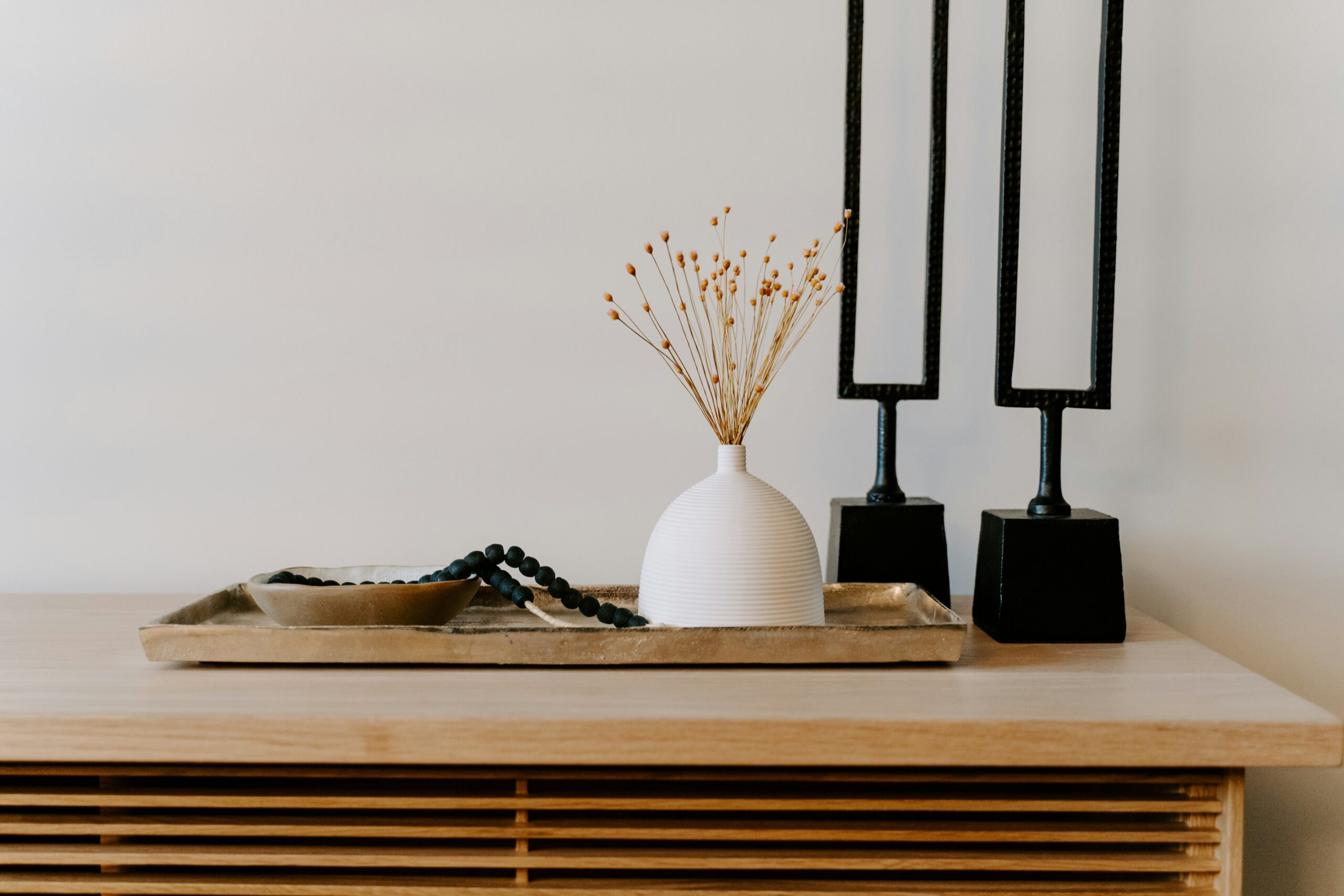
Shelf styling is another arena where the vintage-modern mix can be expressed with great impact. A beautifully curated open shelf that combines vintage ceramic vessels, contemporary design books, a small modern sculpture, a trailing plant, and perhaps an antique clock or a weathered wooden object creates one of those effortlessly styled, cozy corners that accumulate thousands of saves on social media. The secret is restraint — leaving enough negative space between objects so that each piece can breathe and be appreciated individually, rather than crowding the shelf until nothing reads clearly.
Shopping Smart for Vintage Pieces That Work With Modern Spaces
One of the most enjoyable aspects of building a vintage-modern interior is the process of hunting for the pieces that will bring your vision to life, and developing the eye and instincts to recognize a great find when you see it. Successful vintage shopping in the context of modern interior design is less about finding perfect museum-quality antiques and more about identifying pieces with the right proportions, materials, and character to complement a contemporary setting.
When shopping at thrift stores, antique markets, or estate sales, train yourself to look past a piece’s current condition and see its potential. A solid wood mid-century dresser with an uninspiring lacquer finish might be a few hours of work away from becoming one of the most beautiful pieces in your bedroom. A set of mismatched dining chairs with good bones and comfortable proportions might only need consistent reupholstering in a contemporary fabric to become a stunning and cohesive dining set. The ability to see potential rather than just present appearance is one of the most valuable skills a vintage shopper can develop.
Online marketplaces have transformed vintage shopping enormously in recent years, making it possible to source extraordinary pieces from anywhere in the world without leaving your home. When shopping online for vintage furniture and decor, use specific search terms rather than broad ones — searching for “mid-century teak sideboard” or “Victorian button-back chair” will yield far more useful results than simply searching “vintage furniture.” Always ask for additional photographs showing the piece from multiple angles and any areas of wear or damage, and factor delivery or collection costs into your budget calculations.
Antique fairs and flea markets remain among the most rewarding venues for vintage shopping, offering the irreplaceable ability to touch, sit in, and experience pieces in person before purchasing them. Many experienced interior designers consider regular visits to local antique fairs an essential part of their creative practice — not necessarily to buy at every visit, but to keep their eyes sharp, stay inspired, and maintain a mental library of pieces, styles, and references that inform every project they work on. Internal link suggestion: “Visit our aesthetic home decor ideas section for curated vintage-modern room inspiration across every budget.”
Conclusion: Trust Your Eye, Trust Your Story
Blending vintage and modern styles in your home decor is ultimately an act of creative self-expression, and the most important guide you have throughout the process is your own eye and your own story. The homes that do this aesthetic most beautifully are not the ones that follow a rigid formula or tick every design rule box — they are the ones that reflect a genuine human being who loved certain pieces, trusted certain instincts, made certain choices with confidence, and built a space that feels unmistakably their own.
Start by identifying the vintage pieces you already own or have always loved — pieces that carry meaning, memory, or simply a quality of beauty that speaks to you. Then build thoughtfully around them, introducing contemporary elements that create contrast, add function, and reflect the way you actually live today. Establish a color palette that unifies your choices across eras and styles. Be intentional about texture, scale, and the relationship between pieces. Edit ruthlessly and give each object the space it needs to be seen and appreciated. And above all, allow your home to evolve gradually over time rather than trying to achieve a finished result all at once. The most beautiful vintage-modern homes are never truly finished — they are always becoming, always growing, always adding new layers to an ongoing and deeply personal story.