Introduction
There is a persistent and entirely unhelpful myth in the world of interior design that beautiful homes require large budgets. That the spaces we see in design magazines, the Instagram-worthy setups that collect thousands of saves and inspire endless imitation, are the exclusive domain of people with generous renovation funds and effortless access to designer furniture. The truth, as anyone who has spent meaningful time in the DIY home decor space knows, is considerably more democratizing and considerably more exciting than that. Some of the most beautiful, most personal, and most design-forward interiors in existence were created almost entirely by hand, on budgets that would surprise anyone who encountered the finished result without knowing the story behind it.
In 2026, the art of creating home decor that looks expensive but costs very little has never been more accessible, more creative, or more rewarding. The combination of widely available craft materials, inspiring online tutorials, a thriving secondhand and upcycling culture, and a genuine shift in values toward the handmade and the personal has created an extraordinary moment for the DIY home decor enthusiast. Whether you are a complete beginner picking up a paintbrush for the first time or an experienced crafter looking for fresh project ideas, the projects in this guide will help you transform your home with your own hands, your own creativity, and a budget that leaves plenty of room for the other good things in life.
Limewash and Textured Paint Effects: The Most Transformative DIY of All
If there is a single DIY home decor project that delivers the most dramatic improvement to a room for the smallest financial investment, it is the application of limewash paint or a textured paint effect to a wall. Professional interior designers charge significant fees to create the kind of warm, aged, layered wall surfaces that limewash delivers, but the technique itself is entirely learnable by a motivated beginner with a few hours, some basic materials, and the willingness to embrace a slightly imperfect, organic result as part of the beauty of the process.
Limewash paint creates a soft, chalky, subtly mottled wall surface that looks as though it has been applied over decades, the color varying gently in intensity across the surface and giving walls a depth and character that flat emulsion paint simply cannot approach. The effect is simultaneously ancient and entirely contemporary, sitting beautifully in Scandinavian minimalist spaces, Mediterranean-inspired interiors, rustic farmhouse aesthetics, and modern organic design schemes. A living room wall treated with limewash in a warm off-white or a muted terracotta is one of those transformations that makes visitors immediately ask who your designer is, completely unaware that you achieved the result yourself on a weekend afternoon.
The application process for limewash is genuinely accessible to beginners. The paint is applied to a slightly dampened wall surface using a wide brush in loose, overlapping, multi-directional strokes, with a slightly damp cloth used to soften and blend the surface before it fully dries. The key is to embrace variation and imperfection rather than trying to achieve the uniform coverage you would aim for with conventional paint — the areas of greater and lesser coverage, the visible brush marks, the subtle tonal variation are precisely what create the beautiful, aged quality that makes limewash so appealing. A single feature wall treated this way can transform the entire character of a room, and the materials cost is a fraction of what a professional decorative painter would charge for the same effect.
Beyond limewash, other textured paint techniques worth exploring include color washing — a similar layered technique using diluted emulsion paint for a softer, more watercolor-like effect — and dry brushing, which uses almost no paint on a wide, stiff brush to add a delicate textural quality to a surface that has already been painted in a base color. Each of these techniques requires minimal materials, minimal skill, and minimal time investment while delivering wall surfaces of genuine artistic beauty. Internal link suggestion: “Explore our color palettes for modern homes guide to find the perfect tones for your limewash feature wall project.”
Elevated Picture Frames and Gallery Walls on a Shoestring
One of the most striking and design-forward features of a beautifully decorated home is a well-curated gallery wall, and one of the most satisfying discoveries available to a budget-conscious DIY enthusiast is how little it actually costs to create one that looks genuinely expensive and intentional. The secret lies not in the price of the frames or the artworks they contain but in the curation, the arrangement, and the consistent visual language that ties the whole composition together.
Frames from charity shops, thrift stores, and discount retailers can be transformed into cohesive, high-end-looking gallery components with nothing more than a can or two of spray paint. A collection of mismatched frames in different sizes and styles, unified by a single coat of matte black, warm gold, or brilliant white spray paint, instantly reads as a deliberate and sophisticated design choice rather than a random assortment of secondhand finds. The transformation is so immediate and so dramatic that it feels almost like a magic trick — frames that cost pennies each, painted in an hour, arranged thoughtfully on a wall, create a composition that could easily pass for a considered purchase from a premium home store.
The artwork inside those frames requires no significant investment either. Printed artworks downloaded from free digital art repositories and printed at home or through an online printing service, pages from coffee table books and magazines featuring beautiful photography or graphic design, botanical prints from public domain archives, abstract compositions created by hand with watercolors or paint markers, personal photographs printed in black and white for a cohesive aesthetic — all of these options deliver beautiful, interesting content for gallery wall frames at minimal or zero cost. The key to making printed artwork look genuinely expensive is the quality of the print itself — using a high-resolution image, printing on heavyweight matte paper, and ensuring the print is precisely cut to fit the frame creates a result that is indistinguishable from purchased artwork at a fraction of the price.
Arranging a gallery wall effectively requires some planning and patience, but no particular artistic training. The most reliable approach is to trace each frame onto paper, cut out the paper templates, and arrange them on the wall with masking tape before driving a single nail, adjusting the composition until it feels balanced and interesting, before committing to the permanent installation. Vary the sizes of frames for visual interest, maintain consistent spacing between frames for a sense of order, and center the overall arrangement on the wall at eye level for the most satisfying and professionally executed result.
Upcycled Furniture: Transforming the Old Into the Extraordinary
The furniture upcycling movement has grown from a niche craft pursuit into a mainstream creative practice, and in 2026, it sits at the intersection of sustainability, creativity, and the desire for genuinely individual home decor that no amount of conventional shopping can deliver. The core premise is simple and endlessly appealing: take a piece of furniture that is structurally sound but aesthetically tired, invest some time, some affordable materials, and some creative thinking, and transform it into something that looks like a considered, expensive design piece. The gap between the before and after of a well-executed furniture upcycle is consistently astonishing.
Painting furniture is the most accessible entry point into upcycling, and the results achievable with today’s range of specialist furniture paints — mineral paints, chalk paints, and milk paints in beautiful, design-forward color ranges — are genuinely extraordinary. A dated pine dresser painted in a deep forest green with new brass knobs becomes a statement piece that could sit comfortably in the most carefully designed interior. A sad, forgotten bedside table painted in a warm terracotta with a slightly distressed finish for an aged, artisanal quality becomes a characterful, individual piece that adds warmth and personality to a bedroom. A flat-pack bookshelf painted in a rich, dark charcoal becomes a dramatically different object — confident, architectural, and considerably more interesting than its original beige self.
Hardware replacement is one of the most underrated upcycling techniques, capable of transforming the apparent quality and design sensibility of any piece of furniture with minimal effort and modest cost. The difference between a chest of drawers with cheap, basic handles and the same chest of drawers fitted with warm brass or matte black knobs is remarkable and immediate — the new hardware signals quality, consideration, and design awareness in a way that the original hardware never could. Sourcing beautiful hardware from specialist suppliers, vintage markets, or online retailers and applying it to upcycled or existing furniture is one of the highest-return, lowest-effort improvements available in the entire DIY home decor toolkit.
Cane webbing is another upcycling technique experiencing a significant revival in 2026, driven by the ongoing popularity of natural materials and the rattan aesthetic in contemporary interior design. Many vintage furniture pieces — cabinet doors, headboards, side table panels — can have sections of their solid fronts replaced with cane webbing to create a lighter, more textural, and distinctly on-trend aesthetic. The technique involves cutting an opening in the furniture panel, stretching and gluing pre-woven cane webbing across the opening, and trimming to fit. The transformation from a flat, closed panel to an open, textured one brings an immediate quality of artisanal craft and contemporary style that makes the piece look genuinely bespoke. Internal link suggestion: “Read our article on blending vintage and modern styles for more ideas on incorporating upcycled furniture into a contemporary interior.”
Handmade Textiles and No-Sew Soft Furnishings
Textiles are among the most powerful tools available in home decoration, and they are also conveniently among the most accessible and affordable DIY opportunities. Creating your own soft furnishings — cushion covers, table runners, curtains, throws, and wall hangings — allows you to introduce exactly the colors, patterns, and textures that your space needs at a fraction of the retail cost of equivalent purchased items, and the handmade quality of the result adds a layer of personal meaning and artisanal charm that mass-produced textiles can never replicate.
No-sew cushion covers are among the simplest and most satisfying textile DIY projects available, requiring nothing more than beautiful fabric, a pair of sharp scissors, fabric glue or an iron-on hem tape, and an existing cushion pad. A piece of beautiful linen or cotton fabric in a color and texture that perfectly complements your existing decor, cut to size and assembled without a single stitch using modern fabric adhesives, creates a custom cushion cover of genuinely professional quality at a fraction of the cost of a purchased equivalent. The ability to choose any fabric you love — perhaps a remnant of vintage fabric found at a market, or an end-of-roll piece at a fabric store — means the result is always more individual and more perfectly suited to your specific color story than anything available ready-made.
Macrame wall hangings have established themselves as one of the enduring craft projects of the contemporary DIY home decor movement, and with very good reason. The combination of relatively simple knotting techniques, beautifully textured natural rope or cord in cream, white, or natural tones, and the organic, bohemian aesthetic of the finished pieces creates wall art of genuine visual impact that costs a fraction of what equivalent pieces would command in a home decor boutique. A beginner can produce a beautiful, Instagram-worthy macrame wall hanging in a single afternoon following any of the countless free tutorials available online, and the result is a piece of original wall art that is unique and entirely personal.
Fabric wall hangings created by stretching a beautiful piece of fabric over a simple wooden frame or a length of dowel represent another quick, high-impact textile DIY. A remnant of beautiful printed fabric, a vintage textile with an interesting pattern or texture, even a large printed scarf or sarong — any piece of fabric with genuine visual interest can be elevated to the status of artwork through simple mounting and display. The dowel hanging method — attaching a piece of fabric to a wooden dowel with small binder clips or by folding and gluing the top edge around the dowel — creates a casual, relaxed display aesthetic that is completely in keeping with the contemporary preference for art that feels collected and personal rather than formally framed and institutional. Internal link suggestion: “See our boho chic decor ideas guide for more inspiration on incorporating handmade textiles and macrame into a relaxed, layered interior.”
DIY Plaster and Sculptural Objects: Creating Your Own Artisanal Accessories
One of the most exciting developments in the DIY home decor world of recent years is the accessibility of plaster, concrete, and air-dry clay as materials for creating genuinely beautiful, sculptural decorative objects at home. The organic, artisanal quality of handmade plaster and concrete accessories — the slight irregularities, the tactile surfaces, the quiet weight and solidity of the finished pieces — places them firmly in the aesthetic vocabulary of the most design-forward contemporary interiors, and yet the materials and techniques required to create them are astonishingly affordable and accessible.
Plaster of Paris and casting plaster can be used to create sculptural vessels, decorative plates, abstract wall plaques, and bookends that look like considered purchases from a premium home accessories brand. Simple silicone molds — often available in beautiful organic shapes, including oval dishes, curved vessels, and abstract forms — are filled with liquid plaster and left to set, then removed and finished with sanding, painting, or sealing as desired. The finished pieces have a smooth, weighty, almost architectural quality that photographs beautifully and sits comfortably alongside natural materials like wood, stone, and ceramic in a curated shelf or surface arrangement.
Air-dry clay is another extraordinarily versatile and affordable material for creating handmade home accessories, and its accessibility — it requires no kiln, no specialist equipment, and very little technical knowledge — makes it ideal for the beginner DIY decorator. Simple pinch pots and coiled vessels created from air-dry clay have an organic, wabi-sabi quality of slight imperfection that is enormously appealing in the context of the organic modern aesthetic that dominates interior design in 2026. Finished with a coat of clay-appropriate paint in a warm earthy tone, a wash of watered-down paint that settles into the surface texture to create an aged appearance, or left in their natural clay color, these handmade vessels become genuinely beautiful decorative objects that look entirely at home in the most carefully designed interiors.
Concrete accessories follow the same accessible DIY principle. Small planters, candle holders, trinket dishes, and paperweights created from craft concrete — a pre-mixed powder available at most hardware and craft stores — bring a quiet industrial-meets-organic aesthetic to a home that is very much of the moment in 2026. The slightly rough, matte surface of finished concrete has a modest, understated quality that works beautifully alongside warmer natural materials, and the process of creating concrete objects at home is simple enough to complete in a single afternoon with results that consistently exceed the modest effort and cost involved.
Styling and Vignette Creation: The Art of Making Ordinary Objects Look Extraordinary
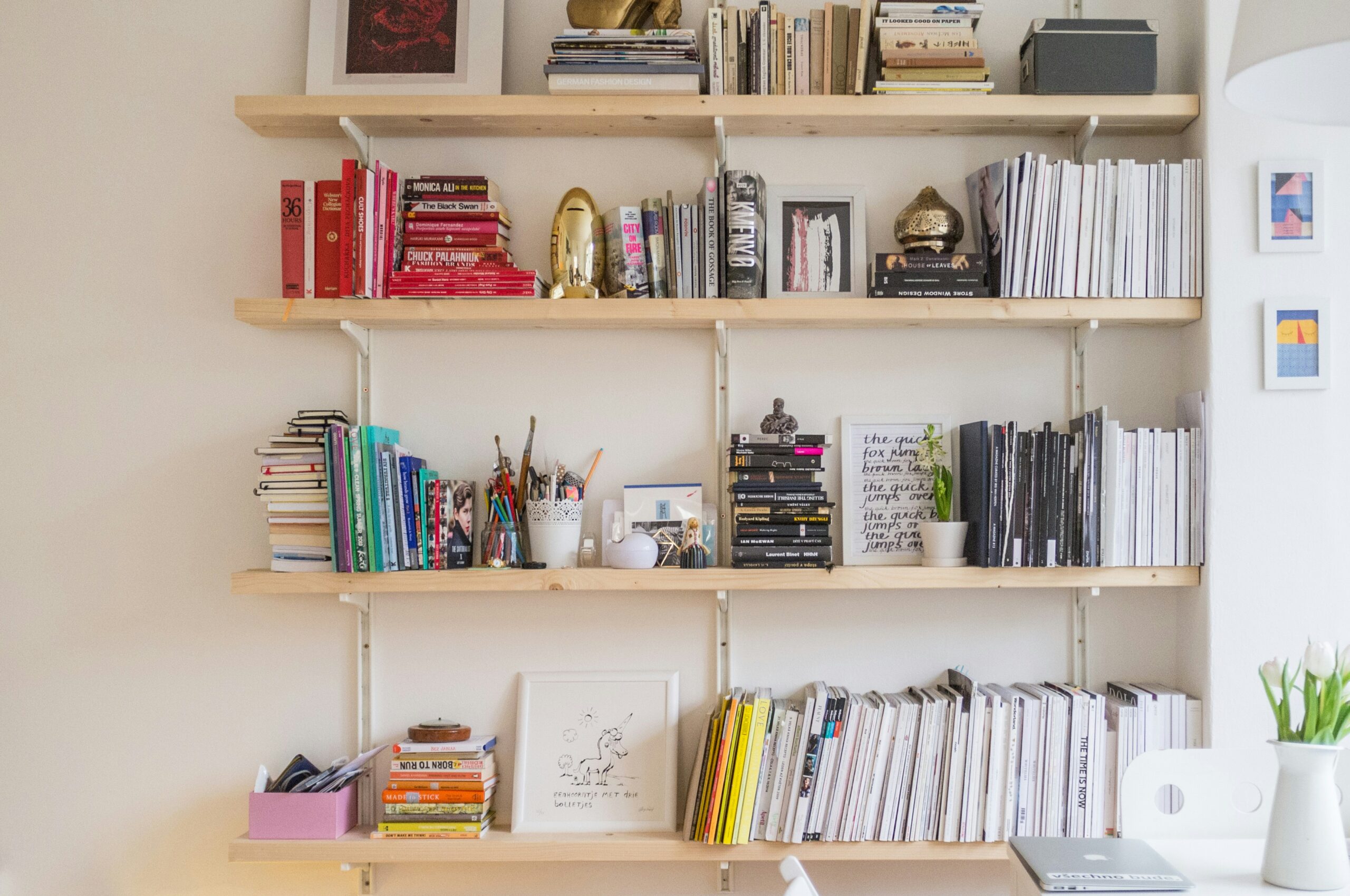
Perhaps the most democratizing and most immediately actionable DIY skill in the entire home decor toolkit is the art of creating styled vignettes — carefully composed groupings of objects on shelves, side tables, mantlepieces, and other display surfaces that transform ordinary collections of things into compositions of genuine visual beauty. The best vignette styling requires no special purchases, no craft skills, and no significant financial investment — only an understanding of a few simple principles of visual composition and the willingness to experiment and adjust until the arrangement feels right.
The rule of odd numbers is the foundational principle of great vignette styling: groupings of three or five objects almost always look more visually dynamic and interesting than groupings of two or four. This is because odd numbers create an inherent asymmetry that the eye finds naturally pleasing and that feels organic rather than manufactured. A grouping of three objects on a shelf — a tall ceramic vase, a mid-height stack of books, and a small trailing plant — creates a natural visual hierarchy that leads the eye through the composition in a satisfying, rhythmic way. The same three objects would lose much of their visual interest arranged in a perfectly symmetrical, evenly spaced line.
Varying height within a vignette creates the same kind of visual rhythm, ensuring that the eye moves across and through the composition rather than scanning it at a single uniform level. Tall items at the back, medium items in the middle, and low or spreading items at the front create a layered, dimensional quality that gives a shelf or surface arrangement real depth and visual generosity. A single large item can anchor an entire vignette when placed confidently at its center or back, with smaller items arranged around it in a way that acknowledges and responds to its dominant presence.
Introducing a mix of materials within a vignette — ceramic alongside wood alongside glass alongside metal alongside plant material — creates the textural variety that distinguishes a beautiful arrangement from a monotonous one. The contrast between a smooth, glazed ceramic surface, the rough grain of a wooden object, the cool transparency of a glass vessel, and the soft organic texture of a small plant creates a sensory richness that keeps the eye interested and the attention engaged in a way that a grouping of materially similar objects never quite achieves. This material variety does not need to be expensive — the objects in a beautiful vignette can be entirely comprised of thrift store finds, handmade items, repurposed everyday objects, and pieces found in nature, styled with enough thought and intention to look like a considered design statement. Internal link suggestion: “Browse our indoor plants guide for the best small plant species to complete your styled vignettes and shelf arrangements.”
Conclusion: Start Creating, Start Transforming, Start Today
The most important lesson that the world of DIY home decor has to offer is one of profound creative empowerment: you already have more ability to transform your home beautifully than you may currently believe. The skills required for the most impactful DIY projects are genuinely accessible to beginners, the materials are available at modest cost from a wide range of sources, and the results — when approached with care, intention, and a willingness to experiment — consistently exceed expectations in their beauty, their impact, and the deep satisfaction they deliver.
Begin with the project that excites you most, that addresses the aspect of your home you most want to change, or that uses skills you already have and want to develop further. Paint a wall with limewash and discover the transformative power of texture and depth. Collect a set of mismatched frames from a thrift store, spray paint them into a cohesive collection, and create a gallery wall that stops every visitor in their tracks. Upcycle a tired piece of furniture with chalk paint and new hardware, and watch it become the most admired piece in the room. Make a macrame wall hanging, create a plaster vessel, style a shelf with the things you already own but have never arranged with intention. Each project you complete builds confidence, sharpens your eye, and adds another layer of personal beauty and creative meaning to the home you are always, always in the process of making more fully your own.