Introduction
There is one decorating secret that professional interior designers, Instagram-worthy home stylists, and lifelong plant enthusiasts all agree on without hesitation: nothing transforms a living space faster, more beautifully, or more affordably than the addition of living plants. A well-chosen plant placed in the right spot has the power to soften harsh architectural lines, introduce a burst of natural color, fill an empty corner with life and movement, and bring an irreplaceable sense of warmth and organic energy to any room it inhabits. In 2026, the love affair between interior design and indoor plants has deepened into something genuinely extraordinary, with homeowners and designers treating their plant collections as seriously and as thoughtfully as any other element of their decor.
What makes indoor plants such a universally beloved design tool is the way they operate simultaneously on so many levels. They are beautiful, of course — the visual impact of lush greenery against a white wall, the sculptural drama of a large leafy plant in a beautifully glazed ceramic pot, the delicate charm of trailing vines cascading from a high shelf — all of these are instantly recognizable pleasures. But plants also improve air quality, reduce stress, increase humidity, support focus and creativity, and connect us to the natural world in a way that feels genuinely nourishing to the soul. Whether you are a seasoned plant parent with a jungle-filled home or a complete beginner nervously keeping your first succulent alive, this guide will introduce you to the indoor plants that will most immediately and dramatically improve your home aesthetic and help you style them in ways that look effortlessly beautiful.
Fiddle Leaf Fig: The Iconic Statement Plant of Modern Interiors
If there is a single plant that has defined the aesthetic sensibility of contemporary interior design over the past decade, it is the fiddle leaf fig. With its large, dramatic, violin-shaped leaves in a rich, deep green and its strong, sculptural trunk, the fiddle leaf fig commands attention in any room it inhabits, functioning simultaneously as a living plant and as a bold piece of organic sculpture. In 2026, the fiddle leaf fig remains one of the most sought-after plants in interior design circles, and with very good reason — when styled correctly, it creates an immediate visual impact that no other plant quite replicates.
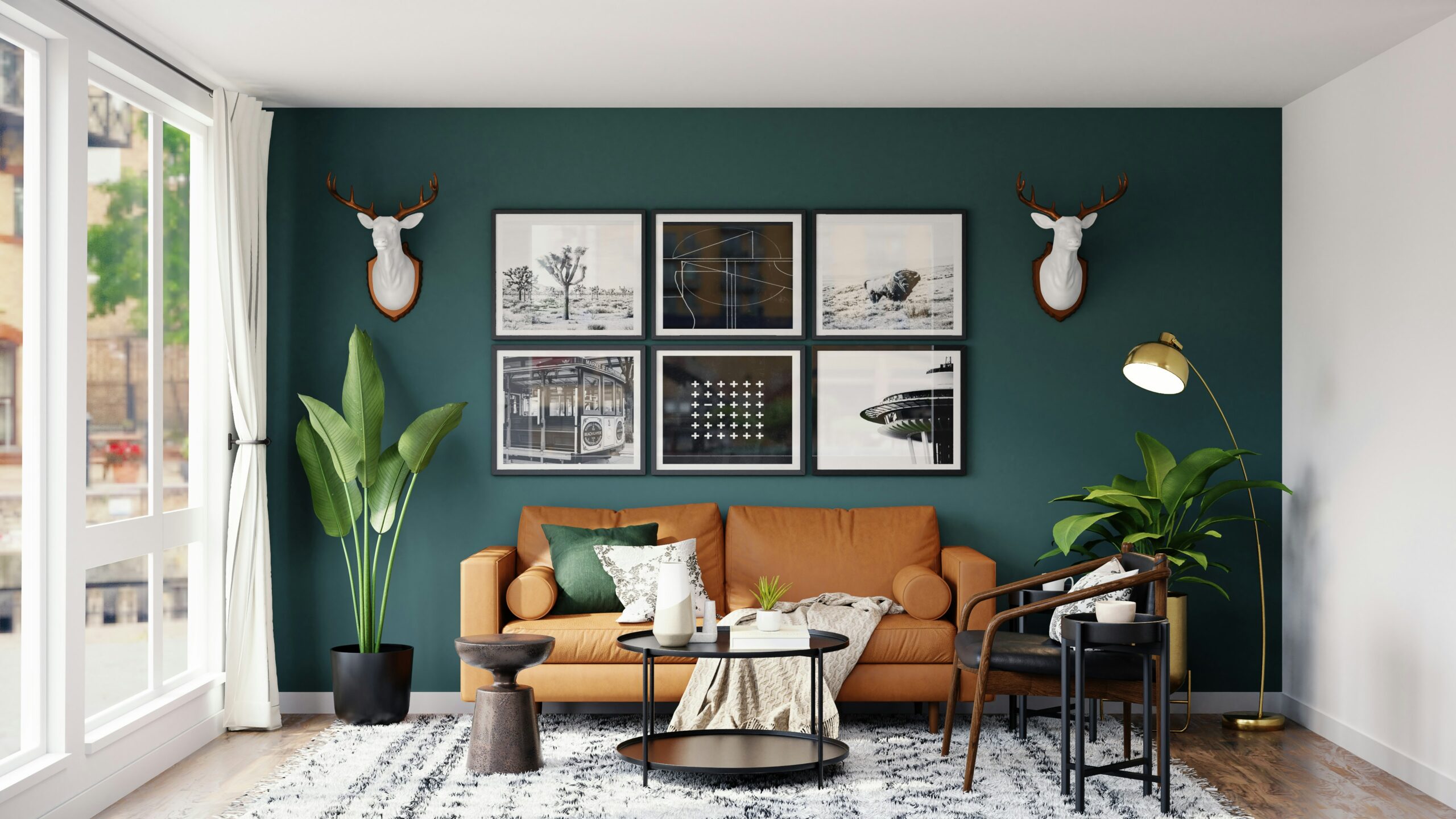
The fiddle leaf fig works best in rooms with generous natural light and sufficient vertical space to accommodate its potentially impressive height. A mature fiddle leaf fig positioned in a sun-drenched corner of a living room, its broad leaves catching the afternoon light and casting gentle shadows on the wall behind it, creates one of the most beautiful and universally admired plant moments available in home decorating. The key to making it work aesthetically is the pot — a simple, substantial ceramic pot in a warm terracotta, a matte white, or a rich earth tone- that elevates the plant from a garden center purchase to a considered design statement. Oversized pots in particular have a way of anchoring a large plant to its spot and giving the overall composition a sense of permanence and intention.
For those new to fiddle leaf figs, it is worth knowing upfront that they are somewhat particular about their care requirements. They prefer bright, indirect light, consistent watering without waterlogging, good drainage, and dislike being moved once they have settled into a spot. However, the dramatic visual return on the relatively modest care investment makes the fiddle leaf fig a plant that rewards attentive beginners as generously as it does experienced plant parents. The moment a new leaf unfurls on a healthy fiddle leaf fig — that tight, bright green scroll slowly opening into another broad, perfect blade — is one of those small domestic pleasures that makes plant parenthood genuinely and consistently delightful.
Styling a fiddle leaf fig within a room requires some thought about proportion and visual balance. A tall, single-trunk specimen works beautifully as a solo statement in a corner, particularly when positioned against a plain, light-colored wall that allows the silhouette of the plant to read with maximum clarity and drama. A bushier, multi-branched variety creates more of a canopy effect and works well as a room divider in an open-plan space, its generous spread of leaves creating a soft, living boundary between different areas. Internal link suggestion: “Explore our guide on blending vintage and modern styles to discover how statement plants bridge different design aesthetics.”
Monstera Deliciosa: The Tropical Classic That Never Goes Out of Style
The monstera deliciosa — beloved the world over by its common name, the Swiss cheese plant — is one of those rare design elements that manages to be simultaneously trendy and timeless, perpetually fresh and endlessly versatile. Its large, glossy leaves with their distinctive natural perforations and deep splits create a visual complexity and tropical drama that photographs with extraordinary impact and brings an immediate sense of lush, luxuriant vitality to any interior. In 2026, the monstera remains one of the most popular and most recognizable plants in home decor, appearing in everything from minimalist Japandi interiors to maximalist boho spaces with equal grace and authority.
What makes the monstera so universally appealing from a design perspective is its extraordinary adaptability. A young monstera with smaller, less fenestrated leaves has a delicate, understated quality that works beautifully in simpler, more restrained spaces where a more dramatic plant might overwhelm the aesthetic. A mature specimen with enormous, deeply split leaves and aerial roots descending toward the floor creates a tropical statement of genuine drama that anchors a room and makes an unforgettable first impression on anyone who enters. The plant essentially grows into greater and greater design impact over time, rewarding the patient plant parent with an increasingly spectacular living sculpture.
Monstera plants are wonderfully forgiving and relatively straightforward to care for, making them an ideal choice for beginners who want significant aesthetic impact without demanding care requirements. They tolerate a range of light conditions, preferring bright indirect light but managing respectably in lower light situations. They prefer to dry out somewhat between waterings, making overwatering — the most common mistake with houseplants — a relatively easy error to avoid. Their rapid growth in good conditions is enormously satisfying, with new leaves appearing regularly throughout the growing season in a continuous series of small celebrations.
The styling possibilities for monstera plants are as generous as the plant itself. A large monstera in a woven basket planter in a living room corner is an effortlessly beautiful boho-inspired moment. The same plant in a sleek black ceramic pot against a white wall creates a clean, contemporary composition with graphic impact. On a high shelf, a smaller monstera can be encouraged to trail gently downward, its split leaves draping with a natural elegance that adds movement and dimension to the vertical surfaces of a room. However you choose to display your monstera, it will almost certainly become the most commented-upon feature of your home. Internal link suggestion: “See our boho chic decor ideas guide for styling inspiration that makes the most of tropical and trailing plants.”
Pothos and Trailing Plants: The Effortless Elegance of the Cascade
Among all the plants available to the indoor gardener, few deliver as much aesthetic impact for as little effort as the humble pothos. With its heart-shaped leaves in an array of beautiful varieties — the classic golden pothos with its yellow-splashed green, the ethereal marble queen with its creamy white variegation, the deep and dramatic neon pothos with its electric chartreuse glow — the pothos is a plant that earns its keep through sheer decorative generosity, growing rapidly, trailing beautifully, and tolerating a level of neglect that would defeat almost any other houseplant.
The design power of trailing plants like pothos lies in their ability to add vertical movement and cascading life to any surface they occupy. A pothos planted in a simple pot on a high shelf, its vines trailing down the wall and across adjacent shelves, creates a living garland effect that softens the architecture of a room and introduces a layer of organic, flowing energy that no static decor element can replicate. This same trailing quality makes pothos and similar plants exceptional choices for hanging planters, where they can cascade freely in long, lush curtains of foliage that add extraordinary drama and botanical richness to a room without consuming any floor space whatsoever.
Styling pothos effectively in an interior is largely about placement and container choice. The plant itself is so visually appealing that it requires very little additional styling support — simply position it somewhere it can trail freely, choose a container that complements your color palette and material language, and allow nature to do its work. A terracotta hanging planter in a sun-filled kitchen window, a ceramic bowl planter on a bathroom shelf where the humidity suits the plant perfectly, a sleek geometric wall-mounted planter in a home office corner where the trailing vines soften the hard lines of technology and furniture — each of these placements creates a different but equally beautiful plant moment.
For beginners genuinely nervous about their ability to keep plants alive, the pothos is quite simply the most reliable and forgiving introduction to indoor plant parenthood available. It tolerates low light, irregular watering, temperature fluctuations, and general neglect with remarkable equanimity, continuing to grow and look beautiful through conditions that would defeat more demanding plants. Starting your plant journey with a pothos builds the confidence and care habits that will eventually allow you to take on more demanding specimens with the knowledge that you have already proven yourself as a capable plant parent. Internal link suggestion: “Visit our small space hacks guide for ideas on displaying trailing plants in compact apartments and rooms.”
Snake Plant: The Architectural Statement of Low-Maintenance Luxury
The snake plant, known botanically as Dracaena trifasciata and for many years popularly as sansevieria, is perhaps the closest thing to a foolproof statement plant that the indoor plant world has to offer. Its tall, upright, sword-like leaves in dramatic patterns of deep green and pale silver, edged with gold in some of the most popular varieties, create a powerfully architectural quality that brings a sense of structure, geometry, and graphic intensity to any interior. In 2026, the snake plant has cemented its position as one of the most essential and versatile plants in the design-conscious home.
From an aesthetic perspective, the snake plant has a quality that very few other houseplants can claim: it looks genuinely extraordinary in almost any interior design context. In a minimal, contemporary space, its clean vertical lines and restrained color palette feel like a natural extension of the design philosophy, adding life without introducing visual noise. In a warmer, more maximalist interior, its architectural presence provides a grounding counterpoint to more voluptuous and organic plant forms like monstera and pothos. In a Japandi-inspired space combining Japanese and Scandinavian sensibilities, the snake plant’s graphic simplicity and quiet confidence feel completely at home. This cross-style versatility makes it one of the most valuable single plant investments available to any homeowner, regardless of their interior design direction.
The care requirements of the snake plant are legendarily forgiving, making it the ideal choice for busy homeowners, frequent travelers, beginners, and anyone who loves the look of a well-planted interior but has not yet fully developed the habits and attention that more demanding plants require. Snake plants tolerate low light conditions that would cause most other plants to decline, can go weeks without watering without suffering meaningful harm, and actively prefer to be somewhat pot-bound rather than constantly repotted into larger containers. The combination of extraordinary resilience and exceptional aesthetic impact makes the snake plant one of the very best value-for-investment choices in all of indoor plant design.
When styling snake plants in an interior, consider grouping several plants of different heights and varieties for a dramatic, multi-layered effect, or use a single tall specimen as a punctuation mark that draws the eye and anchors a specific spot in a room. A cluster of snake plants in a range of ceramic pots — varying in size, finish, and tone but sharing a common material language — creates an effortlessly styled plant grouping that looks both intentional and organic, as though it has been assembled gradually over time by someone with a genuine eye for beauty.
Eucalyptus and Dried Botanicals: The Beauty of Nature Preserved
Not every plant moment in a beautifully designed home needs to involve a living, growing, watered specimen. The trend toward dried botanicals, preserved greenery, and artfully arranged natural plant material has grown considerably in recent years, and in 2026, dried eucalyptus, pampas grass, dried palm leaves, and preserved floral arrangements are fixtures in some of the most beautiful and Instagram-worthy home interiors anywhere in the world. These plant elements offer the aesthetic warmth and organic texture of living plants with none of the ongoing care requirements — a genuinely compelling proposition for time-pressed homeowners.
Dried eucalyptus is perhaps the most beloved of all the dried botanical options available, and its popularity shows absolutely no signs of fading. The silvery-green of preserved eucalyptus leaves, the delicate texture of the stems, and the gentle, lingering fragrance of the essential oils retained even in dried specimens all combine to create a plant element of extraordinary versatility and beauty. A generous bunch of dried eucalyptus arranged in a tall ceramic vase, leaning against a wall or placed in a bathroom where the steam activates its fragrance, creates a simple, effortlessly beautiful botanical moment that requires no watering, no light management, and no ongoing attention whatsoever.
Pampas grass has enjoyed an extraordinary design renaissance over the past several years, and in 2026, its feathery, pale plumes remain one of the most recognizable and beloved elements of contemporary home aesthetics. A large arrangement of dried pampas grass in an oversized floor vase creates a dramatic, softly textured focal point that works beautifully in living rooms, bedrooms, and entryways, adding height, movement, and a warm, sun-bleached palette that complements virtually every interior color story from pure white to deep, earthy maximalism. The scale is important — small bunches of pampas grass in small vases rarely achieve the visual impact that the plant is capable of delivering, while a generous, abundant arrangement in a substantial vessel creates a genuinely spectacular botanical statement.
Styling dried botanicals alongside living plants is one of the most effective ways to create a layered, richly textured botanical interior that feels both curated and completely natural. A living monstera beside an arrangement of dried pampas grass, a trailing pothos above a vase of dried eucalyptus, a snake plant flanked by bunches of dried lavender — these combinations of living and preserved plant material create a visual dialogue between growth and stillness, freshness and permanence, that gives a space enormous decorative richness and botanical depth. Internal link suggestion: “Read our eco-friendly home materials guide to discover sustainable options for pots, planters, and botanical displays.”
How to Style Plants for Maximum Aesthetic Impact
Having wonderful plants is only half of the aesthetic equation — knowing how to display and style them within your home is equally important, and the difference between a plant placed without thought and a plant positioned and potted with genuine care and intention is visible immediately and dramatically. In 2026, the most beautiful plant styling is characterized by thoughtfulness about scale, grouping, container choice, and the relationship between plants and the architectural and decorative context surrounding them.
Scale is perhaps the single most important styling consideration. A small plant in a small pot on a large surface will almost always look insignificant and afterthought-like, regardless of how beautiful the plant itself might be. Training yourself to go larger — with both the plant and its container — than feels immediately comfortable is one of the most valuable habits a home stylist can develop. A plant that feels almost too large for a space often turns out to be exactly right once it is in position, its generous proportions giving the room the sense of confident, abundant vitality that great plant styling delivers.
Grouping plants — creating plant clusters and arrangements rather than distributing individual specimens throughout a room in isolation — is another styling principle that consistently delivers more visual impact than scattered single placements. A grouping of three to five plants of different heights, different leaf textures, and different pot materials creates a small botanical world within a room, a composition of living things that draws the eye and rewards extended looking in a way that individual isolated plants rarely achieve. Place the tallest plant at the back, medium-height plants in the middle, and low, spreading, or trailing plants at the front for arrangements that have a natural, layered depth.
Container choice is the final and often most overlooked element of great plant styling. The right pot can transform a perfectly ordinary plant into a design statement, while the wrong container can diminish even the most spectacular specimen. In 2026, the most beautiful containers for indoor plants are those that bring their own material and design quality to the composition — handmade ceramics with organic glaze variations, textured concrete pots with a subtle industrial aesthetic, woven seagrass and rattan baskets with their warm, natural texture, and terracotta in both its classic orange and its trendier bleached and whitewashed versions. Investing in beautiful containers is one of the most worthwhile plant styling decisions you can make, as the right pot elevates both the plant and the room around it simultaneously.
Conclusion: Start Your Plant Journey Today and Watch Your Home Bloom
The most important thing to understand about adding plants to your home is that there is no wrong place to begin and no minimum threshold of plant knowledge required to start experiencing their transformative aesthetic impact. Pick one plant that genuinely excites you — whether it is the dramatic architectural statement of a fiddle leaf fig, the tropical energy of a monstera, the effortless trailing beauty of a pothos, the sculptural confidence of a snake plant, or the simple, preserved loveliness of a dried eucalyptus arrangement — and place it somewhere in your home that genuinely needs its energy. Choose a beautiful container that complements your existing palette. Position it with care, in a spot that serves both the plant’s light requirements and the room’s visual needs.
Then watch what happens. A home with plants in it feels fundamentally different from one without — warmer, more alive, more personal, more connected to the natural world that all of us, at some level, are always trying to bring closer. That transformation is available to every home, at every budget, in every style, and it begins with a single plant placed with intention and care. In 2026, let yours be the home that makes every visitor reach instinctively for their phone to capture a moment of living, breathing, gloriously green beauty.