Introduction
Something genuinely significant has shifted in the way people think about designing and decorating their homes. The conversation has moved decisively beyond asking merely what looks beautiful or what is currently trending, and has arrived at a deeper, more considered question: what does it mean to create a home that is not only aesthetically extraordinary but also responsibly made, thoughtfully sourced, and aligned with the values of a generation that cares profoundly about the future of the planet it inhabits? In 2026, sustainable interior design is not a niche concern or a compromise aesthetic — it is the most exciting, most creative, and most culturally resonant direction in the entire world of home decoration and interior design.
The remarkable truth about sustainable interior design in 2026 is that it has completely dismantled the old, false dichotomy between ethical choices and beautiful ones. The most stunning interiors being created today are built on foundations of reclaimed materials, natural fibers, locally made furniture, secondhand treasures, and low-impact finishes that are as visually extraordinary as they are environmentally responsible. Choosing sustainability is not choosing to sacrifice style — it is choosing to embrace a richer, more layered, more personally meaningful kind of beauty that carries its values openly and wears them with pride. Here are the sustainable interior design trends that will shape the most beautiful and most consciously created homes of 2026.
Biophilic Design: The Living, Breathing Home
Of all the trends shaping sustainable interior design in 2026, biophilic design — the philosophy of integrating the natural world as deeply and as meaningfully as possible into the built environment — is perhaps the most comprehensively transformative. The word biophilic comes from the Greek for love of nature, and the principle it describes is both ancient and urgently contemporary: human beings are healthiest, happiest, and most fully alive when they maintain a genuine, living connection with the natural world, and the spaces they inhabit should actively support and nurture that connection rather than severing it.
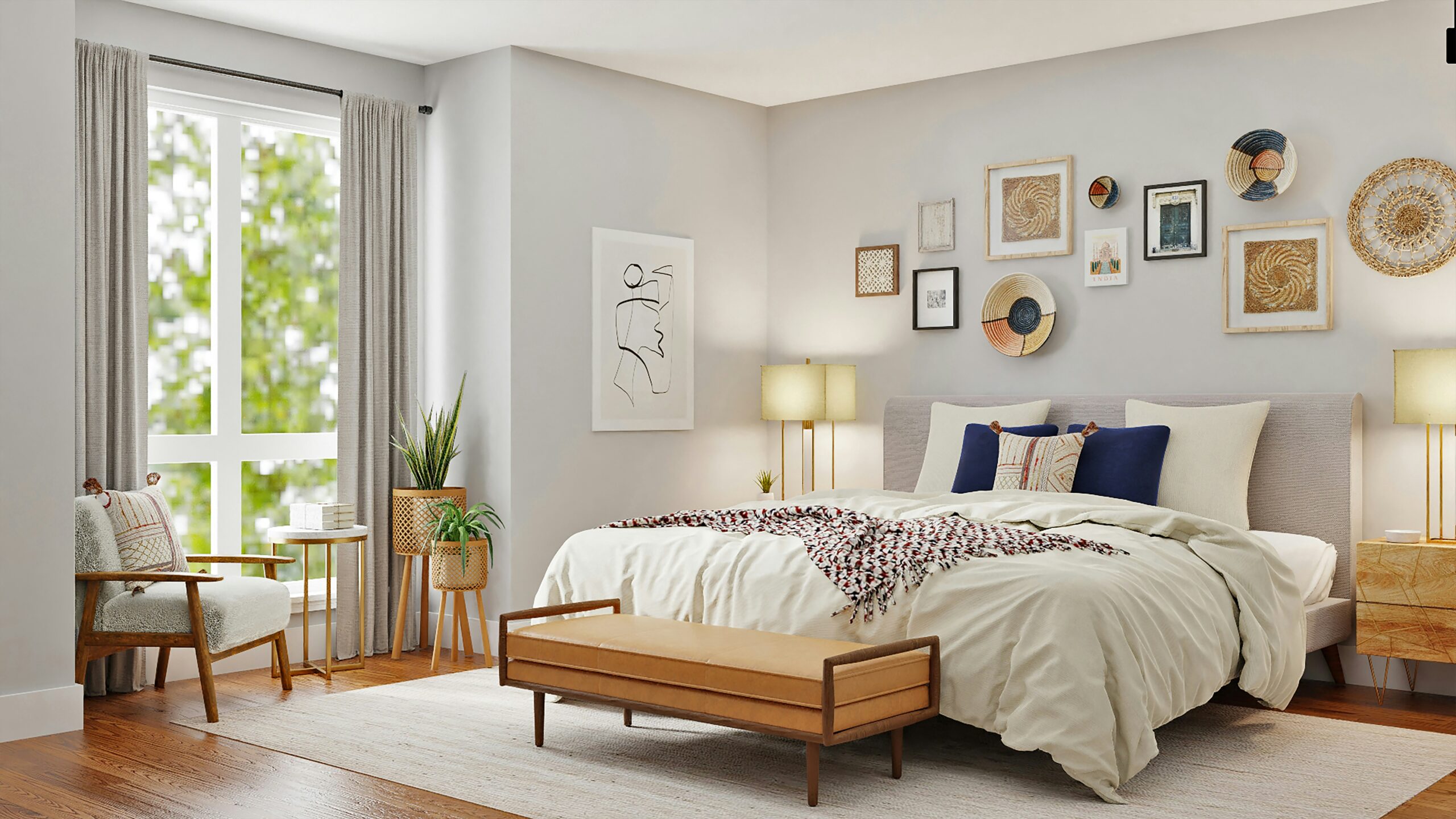
In practical interior design terms, biophilic design expresses itself through an abundance of living plants, natural materials, natural light, water features, organic forms, and the visual and sensory textures of the natural landscape. A living wall of cascading plants in a hallway, a dining room where the primary materials are reclaimed wood, natural stone, and organic linen, a bedroom where morning light filters through sheer curtains and the air carries the clean, green scent of a large collection of plants — these are biophilic environments, and the impact they have on the well-being and mood of the people who inhabit them is measurable, significant, and deeply pleasurable.
The connection between biophilic design and sustainability is direct and meaningful. Choosing natural materials over synthetic ones, living plants over plastic alternatives, organic textiles over petroleum-derived fabrics, and locally sourced stone or timber over imported manufactured surfaces each represents a decision to bring genuine nature into the home while reducing the environmental impact of the material choices that create the space. Biophilic design is sustainable design expressed through the lens of beauty, and the results are among the most Instagram-worthy and most personally nourishing interiors available in 2026.
One of the most exciting developments in biophilic interior design is the growing sophistication of living walls and moss panels as interior design elements. A framed panel of preserved moss — deep green, beautifully textured, and requiring no watering or ongoing care — adds an extraordinary botanical quality to a wall surface that conventional art or decor cannot replicate. Larger living wall installations, planted with ferns, trailing plants, and other low-maintenance species in specially designed hydroponic systems, create vertical gardens of breathtaking beauty that also actively improve the air quality and humidity of the rooms they inhabit. Internal link suggestion: “Read our indoor plants guide for a complete overview of the best plant species for a biophilic home interior.”
Reclaimed and Salvaged Materials: Beauty With a History
The use of reclaimed, salvaged, and upcycled materials in interior design has grown from an ethical nicety to a central aesthetic value in 2026, driven by a growing recognition that the most beautiful and most characterful materials available are often those that have already lived a previous life. Reclaimed wood, salvaged brick, repurposed metal, secondhand furniture given new purpose, and vintage textiles brought back into circulation each carry a visual richness and a depth of character that new materials, however beautiful in their own right, rarely possess.
Reclaimed wood, in particular, continues to be one of the most beloved and most widely used sustainable materials in contemporary interior design. Whether appearing as wide-plank flooring with its centuries of visible grain and weathered texture, as exposed ceiling beams that add architectural drama and warmth to a living space, as a dining table with the marks of its previous life preserved in its surface, or as wall paneling that creates a feature of extraordinary texture and natural beauty, reclaimed timber brings a quality of authenticity and narrative depth to an interior that manufactured alternatives simply cannot approach. Every knot, every nail hole, every color variation in a piece of reclaimed wood is a record of time and use that enriches the space it inhabits with a story.
Salvaged architectural elements — vintage tiles, reclaimed stone, old brick, antique hardware, period doors and windows repurposed in new contexts — bring a similar quality of historical depth and material authenticity to sustainable interiors. A bathroom floor laid in reclaimed Victorian encaustic tiles, a kitchen splashback assembled from vintage ceramic tiles sourced from a salvage yard, a mantelpiece constructed from a reclaimed stone lintel — each of these design choices introduces a material of genuine age, genuine craft, and genuine beauty into a contemporary setting in a way that creates exactly the kind of layered, collected-over-time quality that defines the most admired interiors of 2026.
The sustainability credentials of reclaimed and salvaged materials are straightforward and compelling. By giving existing materials a second or third life, the demand for newly manufactured alternatives is reduced, the amount of material going to landfill is diminished, and the environmental cost of extracting, processing, and transporting new raw materials is avoided. This is circular design thinking in its most practical and most beautiful expression, and the interiors it produces are consistently among the most striking and most genuinely original available in the contemporary design landscape. Internal link suggestion: “Explore our eco-friendly home materials guide for a detailed look at the best sustainable materials for every part of your home.”
The Slow Design Movement: Buying Less and Choosing Better
One of the most philosophically significant sustainable interior design trends of 2026 is the growing influence of what has come to be called slow design — a conscious rejection of the fast furniture and rapid-turnover decorating culture that has dominated the home decor market for the past several decades in favor of a more considered, more patient, and ultimately more beautiful approach to furnishing and decorating a home. Slow design asks a genuinely radical question of the contemporary consumer: what if, instead of buying many inexpensive things that need constant replacing, you bought fewer, better, more beautiful things that last a lifetime and improve with age?
The slow design philosophy is expressed practically through a preference for quality over quantity in every purchasing decision, for pieces made to endure rather than designed to be discarded, and for the kind of timeless aesthetic that remains beautiful across decades rather than the kind of trend-driven styling that feels outdated within a season. A solid oak dining table made by a skilled craftsperson from sustainably sourced timber, a linen sofa upholstered in a natural fabric that softens and becomes more beautiful with every year of use, a hand-thrown ceramic collection that carries the mark of its maker in every slightly imperfect curve — these are slow design pieces, and they are the foundation of a home that grows more beautiful and more meaningful over time rather than requiring constant refreshing and replacement.
The relationship between slow design and sustainability is both direct and profound. The fast furniture industry is one of the largest contributors to household waste globally, with an extraordinary volume of cheaply made, quickly discarded pieces ending up in landfills every year. By choosing instead to invest in quality pieces that last decades rather than years, slow design adherents dramatically reduce their contribution to this waste stream while simultaneously surrounding themselves with objects of far greater beauty, craftsmanship, and personal significance. The economic logic also holds over time — ten years of buying cheap furniture that needs replacing every two years invariably costs more, and delivers considerably less satisfaction, than a single investment in a well-made piece that outlasts every trend and every fashion cycle.
Slow design also encourages a more patient and exploratory approach to building a home aesthetic — one that prioritizes the gradual accumulation of genuinely loved and carefully chosen pieces over the pressure to achieve a complete, finished look as quickly as possible. The most beautiful homes are never truly finished, and the slow design philosophy embraces this reality with genuine pleasure, seeing each new addition as a considered chapter in an ongoing story of creative self-expression rather than a box to be ticked on the way to a complete interior. Internal link suggestion: “See our DIY home decor projects guide for slow design-aligned project ideas that build lasting beauty at any budget.”
Natural and Non-Toxic Finishes: Beautiful Surfaces With Clear Consciences
The finishes and coatings we apply to the surfaces of our homes — the paints on our walls, the varnishes on our floors, the sealants on our countertops, the adhesives in our furniture — have a profound impact on the air quality of our interior environments, and in 2026 the move toward natural, low-VOC, and non-toxic finishes has become one of the most important and most widely embraced trends in sustainable interior design. VOCs, or volatile organic compounds, are the chemicals released by conventional paints, varnishes, and adhesives that contribute to indoor air pollution, and their health implications — from headaches and respiratory irritation to more serious long-term effects — have led many homeowners to search for cleaner, safer alternatives an urgent priority for health-conscious homeowners.
Natural paints made from plant-based pigments, chalk, clay, lime, and mineral compounds offer a genuinely beautiful and sustainable alternative to conventional synthetic paints, and in 2026, the range of colors and finishes available in natural paint formulations has expanded dramatically to meet growing demand. The colors achievable with natural pigments tend to have a depth, a warmth, and a subtle luminosity that synthetic paints often struggle to replicate — something about the way mineral and plant pigments interact with light creates wall surfaces of extraordinary visual complexity that reward close attention in a way that flat synthetic color rarely does.
Clay and lime plaster finishes are experiencing a significant revival in sustainable interior design, offering beautifully textured, naturally breathable wall surfaces that regulate moisture, improve air quality, and create an atmosphere of organic warmth and depth that painted surfaces rarely achieve. A clay plaster wall has a soft, slightly irregular surface quality that catches light differently throughout the day, creating a living, animated quality in the room that makes it feel genuinely alive and human. The application of clay or lime plaster is an art form in itself, and skilled natural plasterers are among the most sought-after tradespeople in the sustainable design industry in 2026.
Oil and wax finishes for timber floors and furniture surfaces offer another natural alternative to conventional synthetic varnishes, protecting surfaces with formulations derived from plant oils — linseed, tung, and Danish oil among them — that soak into the wood rather than sitting on top of it as a film, preserving the natural beauty and texture of the timber while providing genuine protection against wear and moisture. The result is a floor or furniture surface that looks and feels entirely natural, that can be repaired and refreshed in small areas rather than requiring complete stripping and refinishing, and that improves in character and warmth with every year of use.
Energy-Conscious Design: Sustainability Built Into the Architecture of the Home
Sustainable interior design in 2026 extends beyond material choices and finishing decisions to encompass a broader consideration of how the design of a home affects its energy consumption, its thermal performance, and its overall environmental footprint. Energy-conscious design thinking — incorporating decisions about insulation, natural ventilation, passive solar gain, and smart energy management into the interior design process — represents the most holistic and most impactful expression of sustainable living available to the contemporary homeowner.
Window treatments play a surprisingly significant role in the energy performance of a home, and choosing them with both aesthetic and thermal considerations in mind is one of the most straightforward and most immediately impactful energy-conscious design decisions available. Thermal-lined curtains in natural fabrics, cellular blinds with their insulating honeycomb structure, and shutters that provide both privacy and a significant reduction in heat loss through windows all deliver meaningful improvements in energy efficiency while also contributing beautifully to the aesthetic story of a room. The choice of window treatment is never purely decorative in a genuinely sustainable interior — it is simultaneously a thermal management decision, an acoustic consideration, and a light-quality choice.
Passive solar design principles, applied at the interior design level even in existing homes, can meaningfully reduce heating and cooling requirements throughout the year. Arranging furniture to avoid blocking solar gain through south-facing windows in winter, using dark, heat-absorbing materials on surfaces that receive direct sun in colder months, and incorporating natural ventilation strategies — positioning furniture to allow air movement, using sheer curtains that permit breeze while filtering light — each represents a small but cumulative contribution to a home’s thermal efficiency that costs nothing to implement and contributes meaningfully to a reduced energy footprint.
Smart home technology, applied with sustainability rather than merely convenience as its primary motivation, represents another significant dimension of energy-conscious interior design in 2026. Smart thermostats that learn household patterns and heat rooms only when needed, smart lighting systems that adjust intensity and color temperature throughout the day and ensure lights are never left burning in empty rooms, and appliance management systems that monitor and optimize energy consumption across the home all deliver substantial reductions in energy use while contributing to the connected, intelligent home environment that is increasingly central to the modern aesthetic. Internal link suggestion: “Read our smart kitchen appliances guide to discover how intelligent technology supports both sustainability and style in the modern home.”
The Circular Home: Designing for Longevity, Repairability, and Future Reuse
The most sophisticated expression of sustainable interior design thinking in 2026 is the circular home — a living space designed from the outset with the full lifecycle of every material and object in mind, where durability, repairability, adaptability, and eventual reuse or recycling are considered as important as beauty and function in every design decision made. The circular economy principles that have been reshaping manufacturing and retail for several years have now fully entered the vocabulary of interior design, and the most forward-thinking designers and homeowners are applying them with remarkable creativity and conviction.
Choosing furniture and objects that can be repaired when they inevitably show signs of wear — that have replaceable parts, re-upholsterable cushions, refinishable surfaces, and modular structures that can be reconfigured as needs change — is the foundational principle of circular home design. A sofa with removable and washable covers that extend its useful life by decades, a modular shelving system that can be expanded, reconfigured, or broken down and repurposed in a new space, a timber dining table that can be sanded and re-oiled to restore its surface when it eventually shows signs of age — these are circular design choices, and they represent a genuinely different way of thinking about the relationship between people, objects, and time.
Designing with future reuse in mind also means making choices that have value beyond your own current use of them — choosing materials and pieces that will retain their value and desirability over time, that can be passed on to future generations, donated, or sold rather than discarded, and that represent a positive contribution to the material culture of a home rather than a temporary addition to be replaced as tastes evolve. The most beautiful and most sustainable home is one that is built to last, designed to grow more beautiful with use and time, and created with a genuine respect for the materials, the craftsmanship, and the natural resources that made it possible.
Conclusion: Design Your Home With Beauty, Intention, and Responsibility
The sustainable interior design trends of 2026 share a common thread that is as much philosophical as it is practical: the conviction that how we design and inhabit our homes matters, that the choices we make about materials, sources, craftsmanship, and longevity have consequences that extend far beyond our own immediate comfort and pleasure, and that the most beautiful homes are those that carry their values openly and wear their ethics with grace.
Begin wherever feels most natural and most immediately impactful for your own situation. Replace your next paint purchase with a natural, low-VOC alternative. Source your next furniture piece secondhand or from a local craftsperson. Choose one natural material — reclaimed wood, organic linen, bamboo, cork — and let it introduce a new dimension of sustainable beauty into your space. Slow down your purchasing decisions and invest instead in one genuinely excellent, genuinely lasting piece rather than several disposable ones. Each of these choices is small in itself, but collectively they accumulate into a home that is not only extraordinarily beautiful but also a genuine expression of the values that matter most in 2026 — a home that honors the planet, celebrates craftsmanship, and creates a space of real, lasting, and deeply personal beauty for everyone fortunate enough to spend time within it.