Introduction
There is a particular kind of calm that settles over you the moment you walk into a truly minimalist home. It is not the sterile, cold quiet of a space — it is something warmer, more intentional, and far more satisfying than that. It is the calm of a room where every single thing has been chosen with genuine care, where nothing competes unnecessarily for your attention, where the furniture breathes, the surfaces rest, and the overall effect is one of profound visual and psychological ease. In 2026, minimalist home decor has evolved into something richer, warmer, and more deeply human than the rigid, all-white aesthetic that once defined it in the popular imagination, and the result is one of the most beautiful and most livable design philosophies available to anyone who wants their home to feel like a genuine sanctuary.
The minimalism of 2026 is not about deprivation or aesthetic austerity. It is not about removing everything you love in pursuit of a blank, impersonal space that looks impressive in photographs but feels uncomfortable to inhabit. It is about the opposite of that — about choosing so carefully and so wisely that every object, every material, every color, and every surface in your home is genuinely worthy of the space it occupies and contributes meaningfully to the life you live within it. It is about quality over quantity, intention over impulse, and the extraordinary beauty that emerges when you stop adding and start truly editing. Here are ten minimalist home decor ideas that will help you create that beauty in your own home this year.
Idea One: Embrace a Warm, Neutral Foundation
The starting point of any minimalist interior is the color palette, and the minimalism of 2026 has decisively moved away from the cool, clinical whites and stark greys that characterized earlier expressions of the aesthetic toward a warmer, softer, more organic palette that creates spaces of enveloping comfort rather than architectural severity. Warm neutrals — creamy off-whites, sandy beiges, warm taupes, soft greiges, and pale natural stone tones — form the foundation of the most beautiful minimalist interiors of the moment, creating a backdrop of quiet luminosity against which carefully chosen furniture and objects can be seen and appreciated with complete clarity.
The distinction between a warm neutral and a cold one is subtle but enormously important in practice. A wall painted in a cream with slight yellow undertones reads as soft, welcoming, and genuinely warm, creating a room that feels inviting from across the space. The same wall painted in white with blue or grey undertones reads as harder, cooler, and more clinical, creating a room that can feel beautiful but occasionally unwelcoming. In a minimalist interior where the walls are the dominant visual element — where the absence of clutter and decoration means the wall color is always fully visible and always fully felt — this distinction in undertone makes an enormous difference to the overall character and livability of the space.
Layering warm neutrals throughout a minimalist interior creates depth and visual interest without introducing the kind of pattern or color complexity that would disrupt the serene, restrained quality of the aesthetic. A warm white wall, a slightly deeper beige on upholstery, a sandy linen curtain, and a natural jute rug on a pale timber floor — these are four different tones within the same neutral family, and their gentle variation creates a room of quiet visual richness that rewards close attention without demanding it. This is the tonal sophistication of the best minimalist design, and it is one of the most beautiful effects achievable in any interior. Internal link suggestion: “Read our complete guide on color palettes for modern homes to explore the full range of warm neutral combinations available in 2026.”
Idea Two: Invest in One Exceptional Furniture Piece Per Room
One of the most empowering and most transformative principles of minimalist home decor is the idea that a single exceptional piece of furniture, chosen with genuine care and positioned with intention, can do more for a room than a dozen ordinary pieces combined. In a minimalist interior, there is no visual noise from surrounding clutter to distract from individual pieces of furniture, which means that the quality, the beauty, and the design intelligence of each piece is fully visible and fully felt. This visibility is both the challenge and the extraordinary opportunity of minimalist decorating — it demands that every piece earn its place, and it rewards every piece that does with a level of appreciation and visual presence impossible to achieve in a more crowded setting.
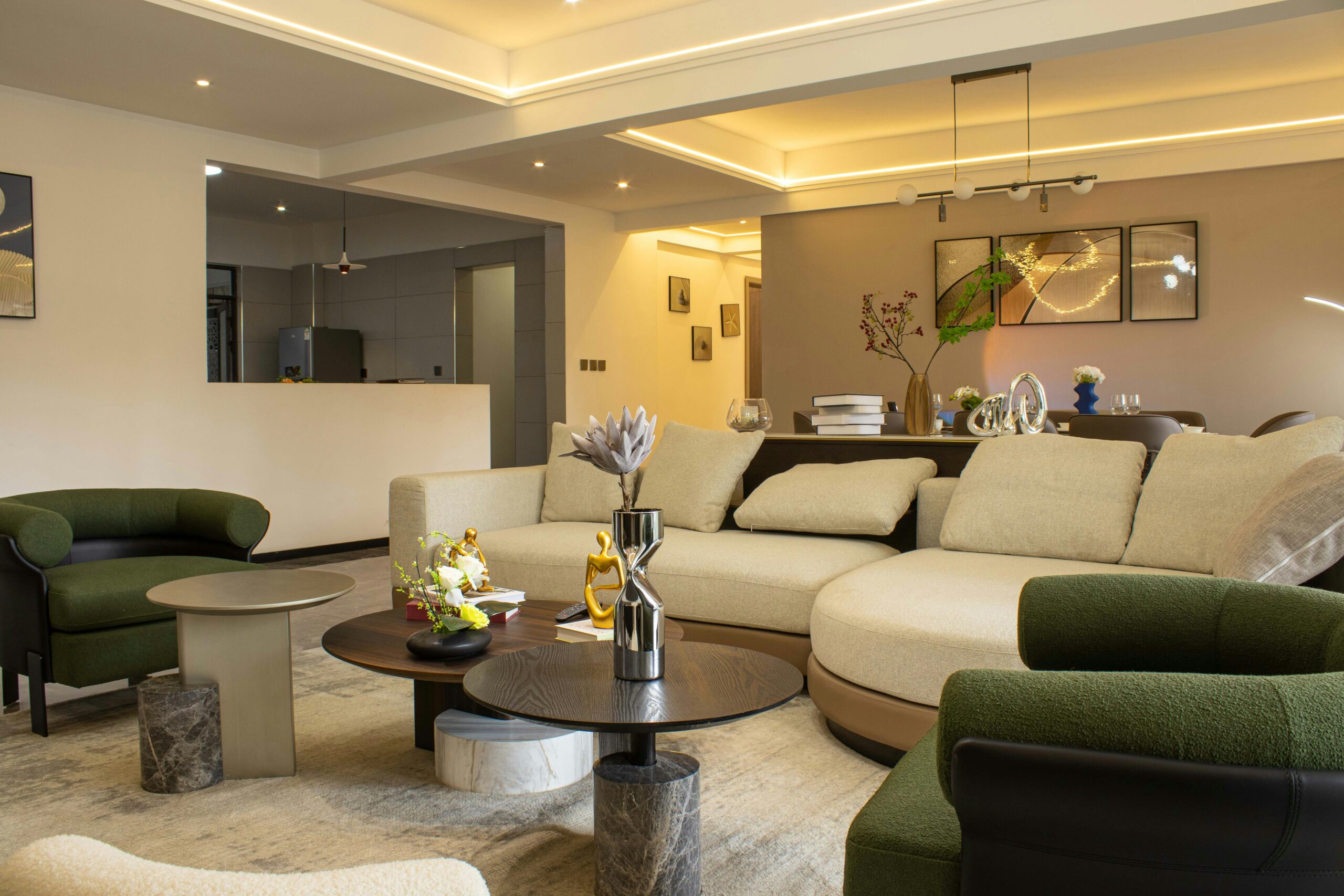
In a living room, the exceptional piece might be a sofa of outstanding quality — perhaps a deep, generously proportioned model in a beautifully textured natural linen or a subtly elevated boucle, with legs in solid natural wood and a silhouette of clean, confident simplicity that speaks of genuine design intelligence. In a bedroom, it might be a bed frame of remarkable craft — solid timber joinery, an upholstered headboard in a warm, textured fabric, proportions that fill the room with quiet authority without overwhelming it. In a dining room, it might be a table of extraordinary material beauty — a slab of live-edge timber, a piece of honed stone, a surface of such natural richness that the room needs nothing else to feel completely furnished and completely resolved.
The investment required for a truly exceptional piece of furniture is often higher than for its ordinary counterparts, and within a minimalist framework, this investment is entirely justified. When a single piece is the primary furnishing statement in a room, spending more to ensure that piece is genuinely worthy of that central role is not an extravagance — it is a design decision of the highest intelligence. A room with one extraordinary sofa and nothing unnecessary around it will always be more beautiful, more sophisticated, and more personally satisfying than a room crowded with mediocre pieces, however carefully chosen they might individually be. Internal link suggestion: “Explore our furniture trends 2026 article for guidance on identifying the exceptional pieces worth investing in this year.”
Idea Three: Curate Surfaces With Ruthless Intention
The surfaces of a minimalist home — the dining table, the coffee table, the kitchen counter, the bedside table, the bathroom vanity — are among its most important design elements, and the way they are managed and maintained reveals the depth of commitment to the minimalist philosophy more clearly than perhaps any other single aspect of the interior. In a minimalist space, surfaces are not merely functional platforms for placing things — they are design canvases, areas of deliberate visual rest that contribute to the overall atmosphere of calm and order that makes a minimalist interior so deeply satisfying to inhabit.
Achieving beautiful, curated surfaces requires a two-stage process of editing and intentional styling. The editing stage — removing everything from a surface that does not serve a clear function or contribute meaningfully to the aesthetic — is the more challenging and more important of the two, particularly in homes where surfaces have accumulated the everyday objects of life without conscious intention. A kitchen counter cleared of everything except the one or two appliances genuinely used daily, a bedside table holding only a lamp, a book, and a single small object of personal beauty, a coffee table with nothing but a simple tray holding a candle and a ceramic object — each of these edited surfaces creates a moment of visual rest that contributes powerfully to the serene character of a minimalist interior.
The intentional styling stage — placing the small number of carefully chosen objects that remain on each surface in a composition of genuine visual interest — transforms editing from a process of removal into one of creation. A single stem in a simple glass vase on a kitchen counter, a small stack of beautiful books with a stone or ceramic object on top on a coffee table, a carefully chosen candle, and a smooth river pebble on a bathroom shelf — these small stylings bring warmth, personality, and organic beauty to surfaces without disrupting their fundamental quietness. The discipline is in the restraint — stopping at one or two objects per surface, leaving generous space around them, and resisting the accumulation that is the natural enemy of every minimalist interior.
Idea Four: Use Texture to Replace Pattern and Color
One of the most sophisticated and most effective techniques available in minimalist interior design is the use of texture — the physical and visual quality of different surfaces and materials — as the primary source of visual interest and sensory richness in a space where pattern and color are deliberately restrained. A minimalist interior that relies on texture rather than pattern or saturated color for its visual life achieves a quality of quiet complexity — a room that reveals more the longer you look at it, rewarding extended attention with a depth of material beauty that more immediately spectacular spaces often lack.
In practice, textural richness in a minimalist space comes from the thoughtful combination of materials with distinctly different surface qualities. The smoothness of polished plaster, the soft nubble of a boucle sofa cushion, the rough warmth of natural linen curtains, the cool hardness of a honed stone coffee table surface, the gentle grain of a timber floor, the matte softness of a ceramic vase — each of these materials offers a completely different textural experience, and placing them in proximity creates a sensory landscape of considerable richness that engages the eye and the hand without ever introducing visual complexity that would disrupt the essential calm of the aesthetic.
Textile choices are the most immediate and most accessible route to textural richness in a minimalist interior. Replacing smooth, synthetic upholstery with natural linen or boucle, adding a chunky knit throw over the arm of a sofa in the same neutral tone as the upholstery, layering a natural wool rug over a timber floor, hanging heavy linen curtains that pool slightly on the floor — each of these changes adds a layer of tactile warmth and organic texture to a space without introducing color or pattern. The result is a room that feels simultaneously simpler and richer than before, calmer and more interesting, minimal and deeply, genuinely warm. Internal link suggestion: “See our Scandinavian living room guide for more inspiration on using natural textures to create warmth within a restrained, minimalist palette.”
Idea Five: Let Natural Light Be Your Most Important Decor Element
In a minimalist interior stripped of the decorative layers and pattern complexity that fill other design aesthetics, natural light becomes perhaps the single most important and most beautiful element in the room. The way morning sun moves across a pale wall, the warm golden quality of afternoon light on a timber floor, the soft diffusion of overcast daylight through sheer linen curtains — these are dynamic, ever-changing, endlessly beautiful visual events that a minimalist interior is uniquely positioned to celebrate, because it has the visual clarity and the surface simplicity to allow light to be fully seen and fully appreciated.
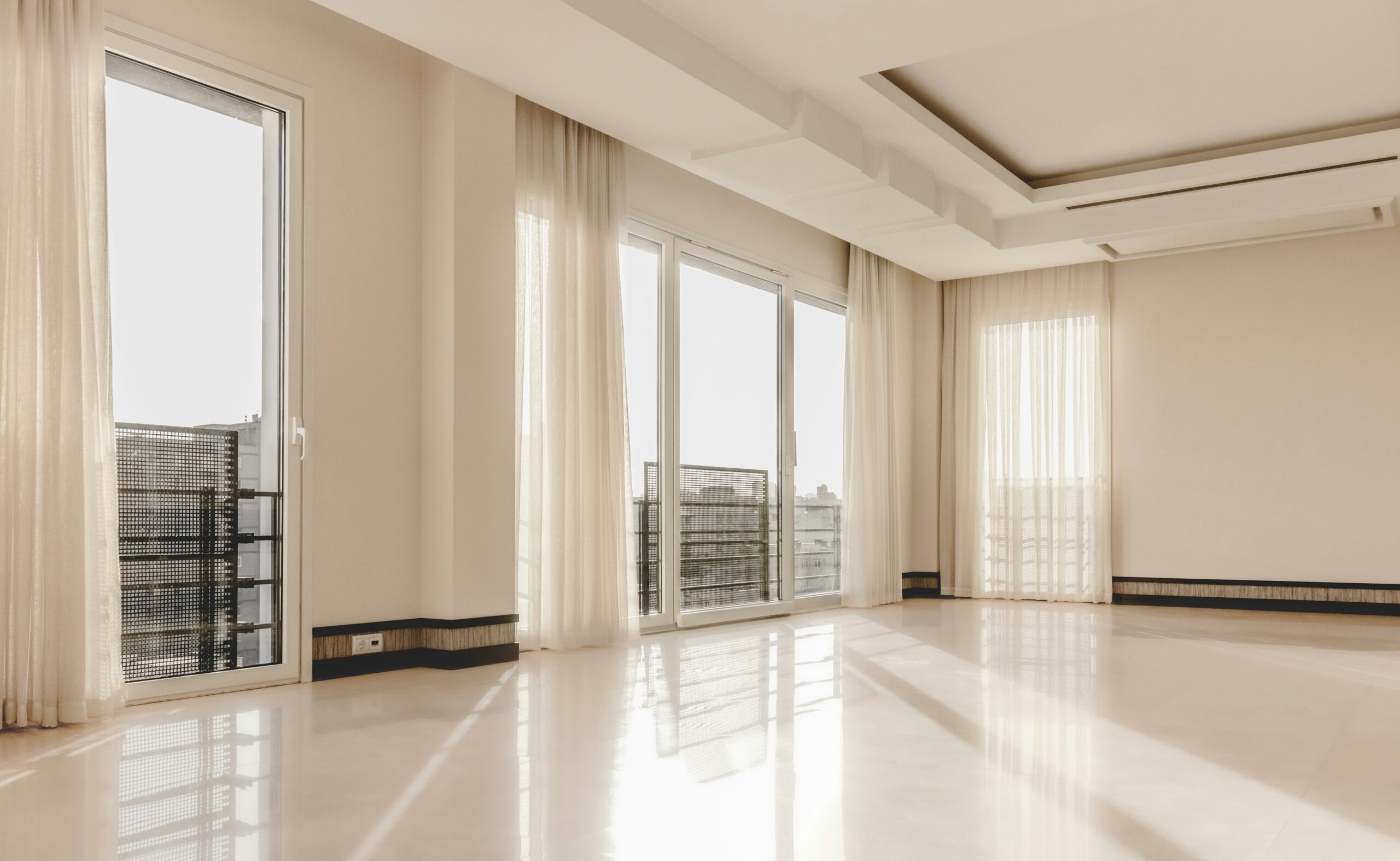
Maximizing natural light in a minimalist space begins with window treatment choices that prioritize light transmission over privacy or decoration. Sheer linen or cotton curtains in a natural, undyed tone filter the quality of daylight while allowing its quantity to pass through relatively unrestricted, creating a room filled with soft, warm, diffused light that feels expansive and luminous throughout the day. In rooms where privacy permits no window treatment at all, the full quality of unmediated natural light — its sharp morning angles, its soft afternoon warmth, its blue-toned evening quality — can be experienced and appreciated to the fullest.
Mirrors, used with minimalist restraint, amplify natural light by reflecting it from one surface to another, filling a space with twice the luminosity available from the windows alone. A single large mirror positioned opposite or at an angle to a primary window doubles the apparent light in a room with a visual elegance and simplicity that is entirely consistent with a minimalist aesthetic. A full-length mirror leaning against a wall in a bedroom, a round mirror above a mantelpiece in a living room, an oversized rectangular mirror in a hallway that transforms a potentially dark passage into a bright, airy space — these are the mirror applications that serve both the light quality and the aesthetic of a minimalist interior simultaneously.
Idea Six: Choose Furniture With Visible Legs for Lightness and Flow
One of the more specific but highly effective technical principles of minimalist furniture selection is the preference for pieces with visible legs — furniture raised from the floor on legs of wood or metal that allows the eye to travel beneath and through the piece, creating a sense of visual lightness and spatial continuity that furniture sitting flat on the floor cannot provide. This seemingly small detail has a significant cumulative impact on how a room feels, contributing to the airy, unencumbered quality that is so central to the minimalist aesthetic.
A sofa on tapered timber legs, a bed frame elevated on clean metal legs, a sideboard or credenza on slender wooden feet, a dining table with legs that reveal the floor around them — each of these choices allows the floor plane to remain visible beneath the furniture, creating an uninterrupted visual flow from one side of the room to the other that makes the space feel simultaneously larger and lighter. The floor itself becomes a continuous element of the design rather than a surface fragmented by opaque furniture bases, and the overall effect is of a room where everything floats slightly, and the visual weight of the furnishings is considerably lighter than it would be with floor-sitting alternatives.
This principle is particularly valuable in smaller minimalist spaces where the temptation to use storage-heavy, floor-sitting furniture can work against the sense of openness and flow that makes the aesthetic feel successful. A compact bedroom with a bed frame on legs and floating bedside tables maintains the light, airy quality of a minimalist space even when square footage is limited, while the same room furnished with a divan bed and bulky bedside tables with solid bases would feel considerably more compressed and less satisfying. Choosing raised furniture is one of the most reliable and most impactful techniques for achieving the spatial quality that defines great minimalist design at any scale.
Idea Seven: Create a Dedicated Empty Space in Every Room
Perhaps the most counterintuitive and most truly minimalist of all the ideas in this guide is the deliberate creation of space — not as a transitional state on the way to further furnishing, but as an intentional and permanent design element in its own right. In 2026, the most sophisticated minimalist designers and homeowners have embraced the idea that space is not wasted space but active space — space that creates breathing room, that allows the eye to rest, that gives the pieces it surrounds the visual prominence and the appreciation they deserve, and that generates the sense of calm and abundance that is the highest achievement of minimalist design.
In practical terms, creating deliberate space in a room means resisting the impulse to fill every wall, every surface, and every corner with something. It means leaving one wall in a living room completely bare, allowing the warmth of its paint color and the quality of its plaster to speak for themselves without the support of artwork or shelving. It means leaving one corner of a bedroom empty — not because there is nothing that could go there, but because the emptiness of that corner contributes to the serenity of the room in a way that any object placed there would only disrupt. It means spacing furniture generously, allowing clear pathways through the room that feel unobstructed and free.
This acceptance and celebration of space is one of the most distinctly Japanese influences on contemporary minimalist design, drawing from the wabi-sabi aesthetic and the concept of ma — the Japanese appreciation for pause, interval, and the meaningful emptiness between things. In a Western interior design context, this principle translates into rooms of extraordinary quiet and composure, spaces where the absence of things is as carefully considered as the presence of them, and where the overall effect is one of a home that holds its occupants gently rather than pressing in on them from all sides.
Idea Eight: Build a Thoughtful, Edited Plant Collection
Plants are one of the most important and most universally beloved elements of any beautiful home interior, and in a minimalist space, they play an especially significant and carefully considered role. Rather than the abundant, jungle-like plant collections of boho and maximalist interiors, the minimalist approach to plants is one of considered restraint — choosing fewer plants of genuine visual impact, displaying them in containers of real material beauty, and positioning them with the same thoughtful intention that governs every other element of the space.
One or two substantial plants positioned with genuine care almost always create a more powerful and more aesthetically satisfying impact in a minimalist interior than a dozen smaller plants scattered without clear intention. A single large monstera or fiddle leaf fig in a simple, beautifully glazed ceramic pot placed in the corner of a living room where it receives good natural light makes a statement of quiet botanical drama that anchors the room and introduces organic life without cluttering it. The same effect achieved with twelve small plants in mismatched pots on every available surface would create visual noise that works directly against the minimalist aesthetic.
The containers chosen for plants in a minimalist interior deserve the same level of consideration as the plants themselves. Simple, well-made ceramic pots in matte tones that complement the room’s neutral palette, concrete planters with their quiet industrial elegance, woven basket planters in natural seagrass or rattan — each of these options brings its own material quality and textural richness to the composition without introducing color or visual complexity that would disrupt the overall aesthetic. Keeping container choices consistent — all ceramic, all in the same neutral family, or all in the same material — creates a cohesive plant display that reads as a deliberate design choice rather than an assortment of individual purchases.
Idea Nine: Integrate Storage So Completely It Disappears
The fundamental practical challenge of minimalist living is managing the physical reality of a life fully lived — the books, the clothes, the kitchen equipment, the household supplies, the accumulated objects of daily existence — without allowing any of it to disrupt the visual serenity of the spaces you have worked so hard to create. The solution is not to own nothing, but to integrate storage so completely into the design of your home that it becomes invisible — present, functional, and capacious, but absent from the visual experience of the room.
Built-in storage is the gold standard for achieving this invisible abundance, and in a minimalist home, it is worth investing in wherever possible. Wardrobes that extend to the ceiling with flat-front doors in the same finish as the surrounding walls disappear so completely into the architecture of a room that their enormous storage capacity is entirely imperceptible. Kitchen cabinetry designed with push-to-open hardware rather than visible handles presents a seamless, handle-free face that reads as a beautifully composed surface rather than a row of cupboard doors. Built-in shelving with doors, built-in window seats with drawer storage beneath, built-in banquettes with hinged seat bases — each of these solutions provides abundant, accessible storage while contributing to the clean, continuous visual quality of a minimalist interior.
For renters or those who cannot invest in built-in solutions, freestanding storage can achieve excellent minimalist results when chosen with care for both its storage capacity and its visual simplicity. A sideboard with clean, handle-free sliding doors that conceals everything within it completely, a bed frame with integrated drawer storage that eliminates the need for a separate chest of drawers, a floating shelf with closed storage boxes in a consistent material and tone — these freestanding solutions manage the visual challenge of storage in a minimalist space with considerable grace. Internal link suggestion: “Visit our small space hacks guide for more detailed advice on integrating storage seamlessly into compact minimalist interiors.”
Idea Ten: Edit Continuously and With Genuine Honesty
The tenth and most important minimalist home decor idea is not about a specific design choice, a particular material, or a clever spatial technique. It is about practice — the ongoing, honest, genuinely demanding practice of continuously editing your home and your possessions with the same level of care and intention that you brought to creating the minimalist space in the first place. Minimalism is not a project with a completion date. It is a living philosophy that requires regular renewal and regular recommitment to the principles that make it so deeply rewarding to inhabit.
The editing practice of a minimalist home means regularly examining every room with fresh eyes — asking of each object not just whether you still use it or still love it, but whether it is still earning its place in the context of the space and the life you are living now. Tastes change, needs evolve, and objects that once felt essential can become cluttering presences that subtly undermine the visual quality of a carefully composed room. The willingness to notice this and to act on it — to pass things on, to donate, to remove — is the discipline that keeps a minimalist interior feeling as fresh, as resolved, and as deeply satisfying as the day it was first created.
This continuous editing is not a burden but a pleasure for anyone who has genuinely embraced the minimalist philosophy, because each round of editing is also a round of rediscovery — of seeing more clearly what you truly value, what genuinely contributes to the quality of your life, and what you had been keeping out of habit, obligation, or inattention. The minimalist home that emerges from years of this honest, ongoing practice is not a static achievement but a living expression of a deeply considered and deeply personal set of values — a home that knows exactly what it is, exactly what it contains, and exactly why every single thing within it belongs there.
Conclusion: Begin Simply, Edit Honestly, and Let Beauty Emerge
Minimalist home decor in 2026 offers something that no other interior design philosophy quite replicates: the profound and daily satisfaction of a home that has been stripped of everything unnecessary and filled with nothing but what is genuinely beautiful, genuinely functional, and genuinely meaningful to the person who lives in it. That satisfaction is not achieved through a single weekend of dramatic decluttering, though such a purge is often a useful beginning. It is built gradually, carefully, and honestly over time, through a succession of considered choices and honest edits that slowly and steadily reveal the essential beauty of your space and your life within it.
Begin with one room, one surface, or one principle from the ten ideas in this guide. Clear a surface completely and replace only what genuinely belongs there. Paint a room in a warm neutral that finally gives the space the serene, luminous quality it has always deserved. Invest in one piece of furniture worthy of the central role it will play in a simplified room. Add a single beautiful plant in a container that complements its surroundings with complete visual harmony. Each of these first steps is also a first experience of what minimalist home decor truly delivers — not the cold austerity of having less, but the extraordinary warmth and freedom of having exactly, precisely, and beautifully enough.